




 Back
Containerized Fire Pump Station
Dayou Crude Oil Dehydration Station Project in the Junggar Basin for Xinjiang Tengyuan Oil and Gas Development Co., Ltd.
01 / Projects in the field
Project overview
Dayou crude oil dehydration station, Junggar Basin | Integrated skid-mounted fire pump house
Project overview
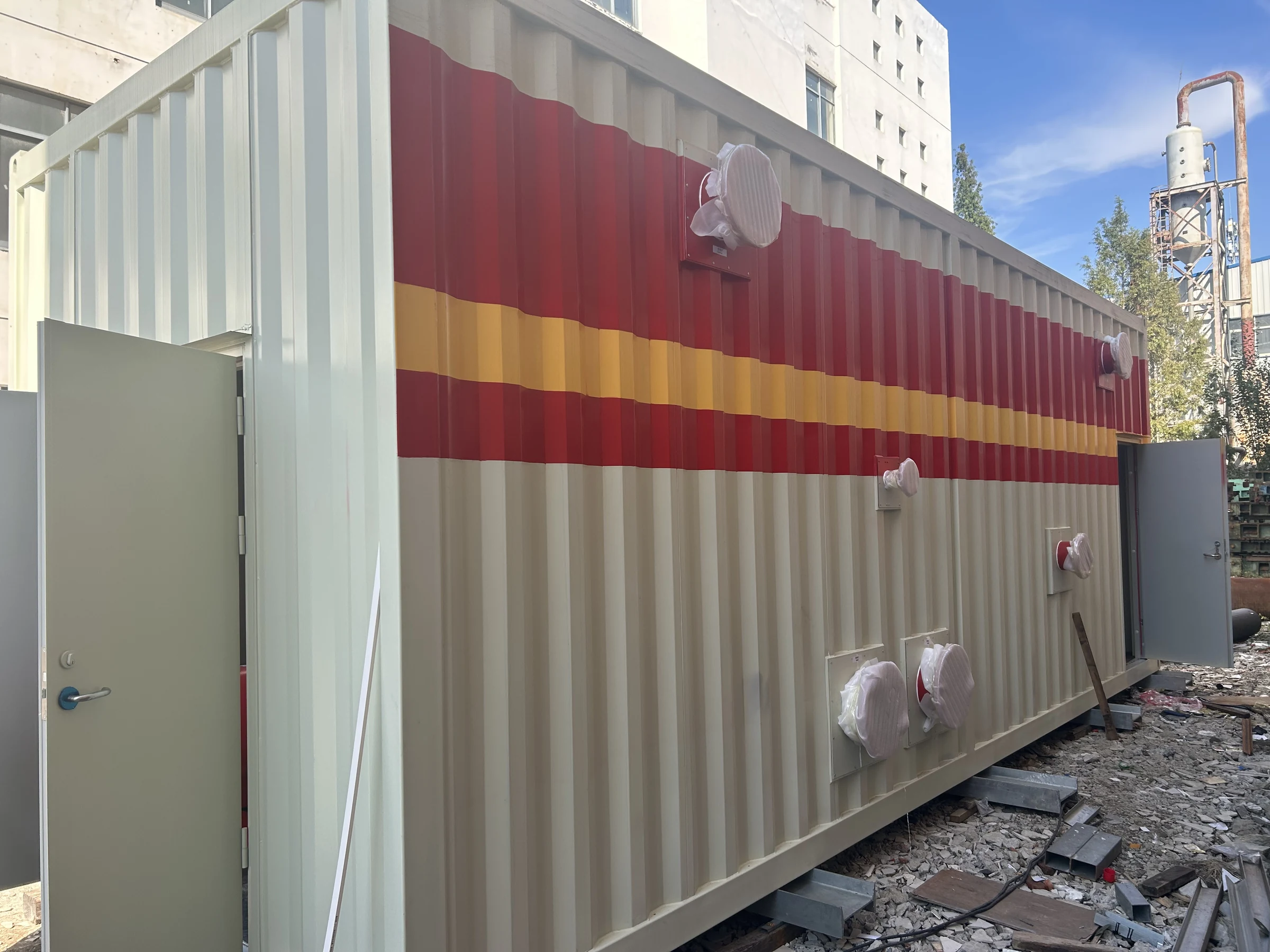
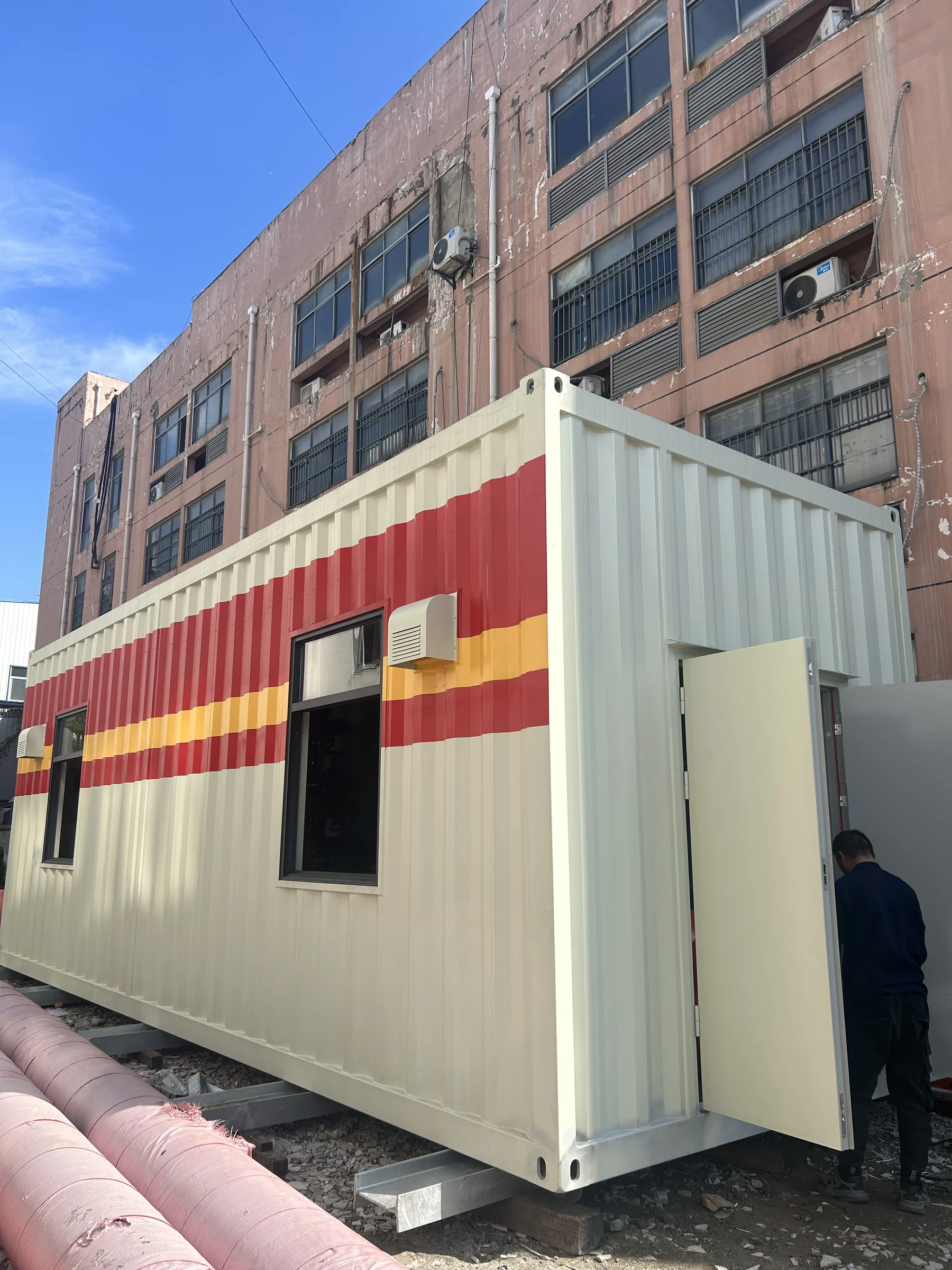
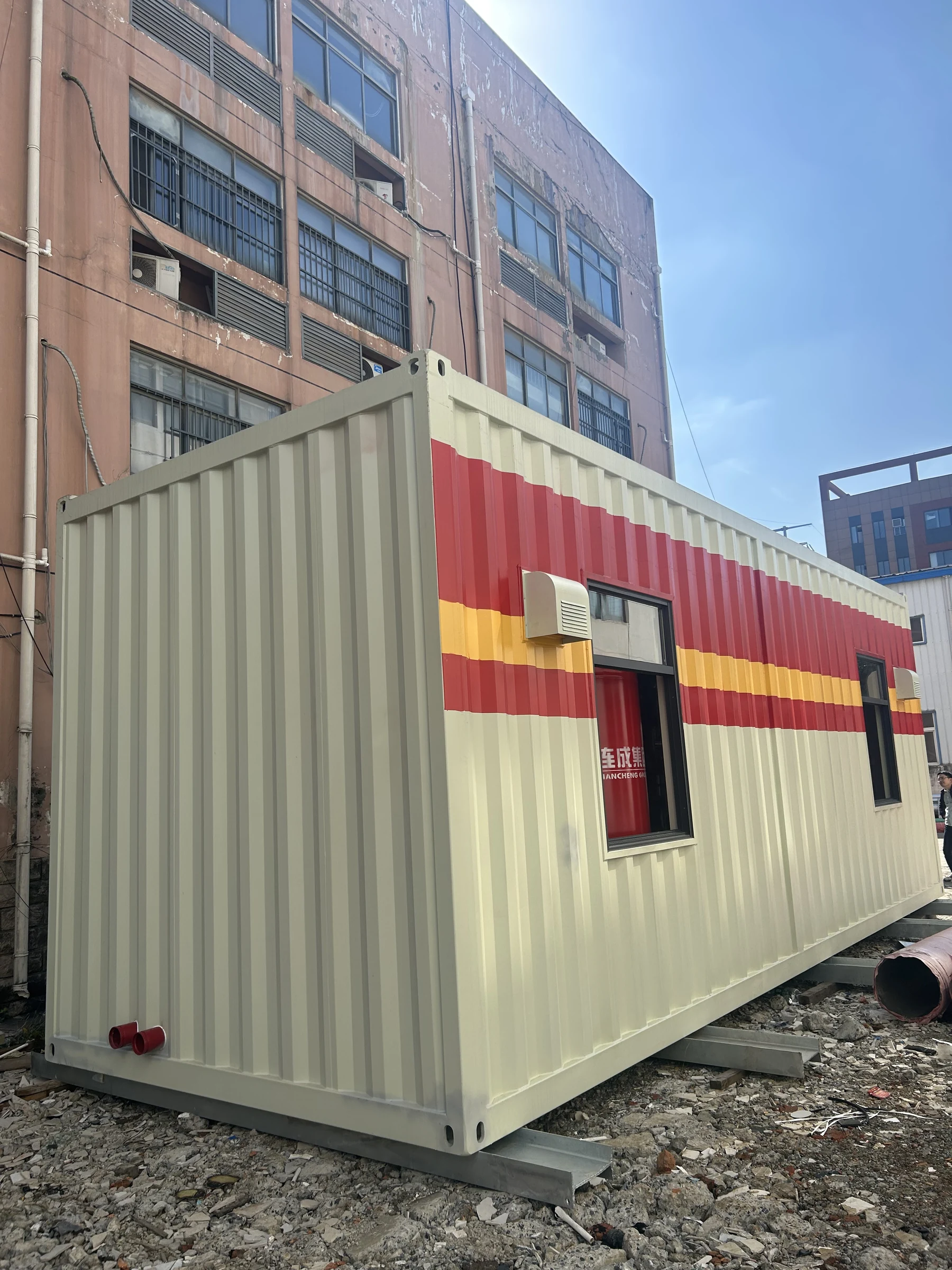
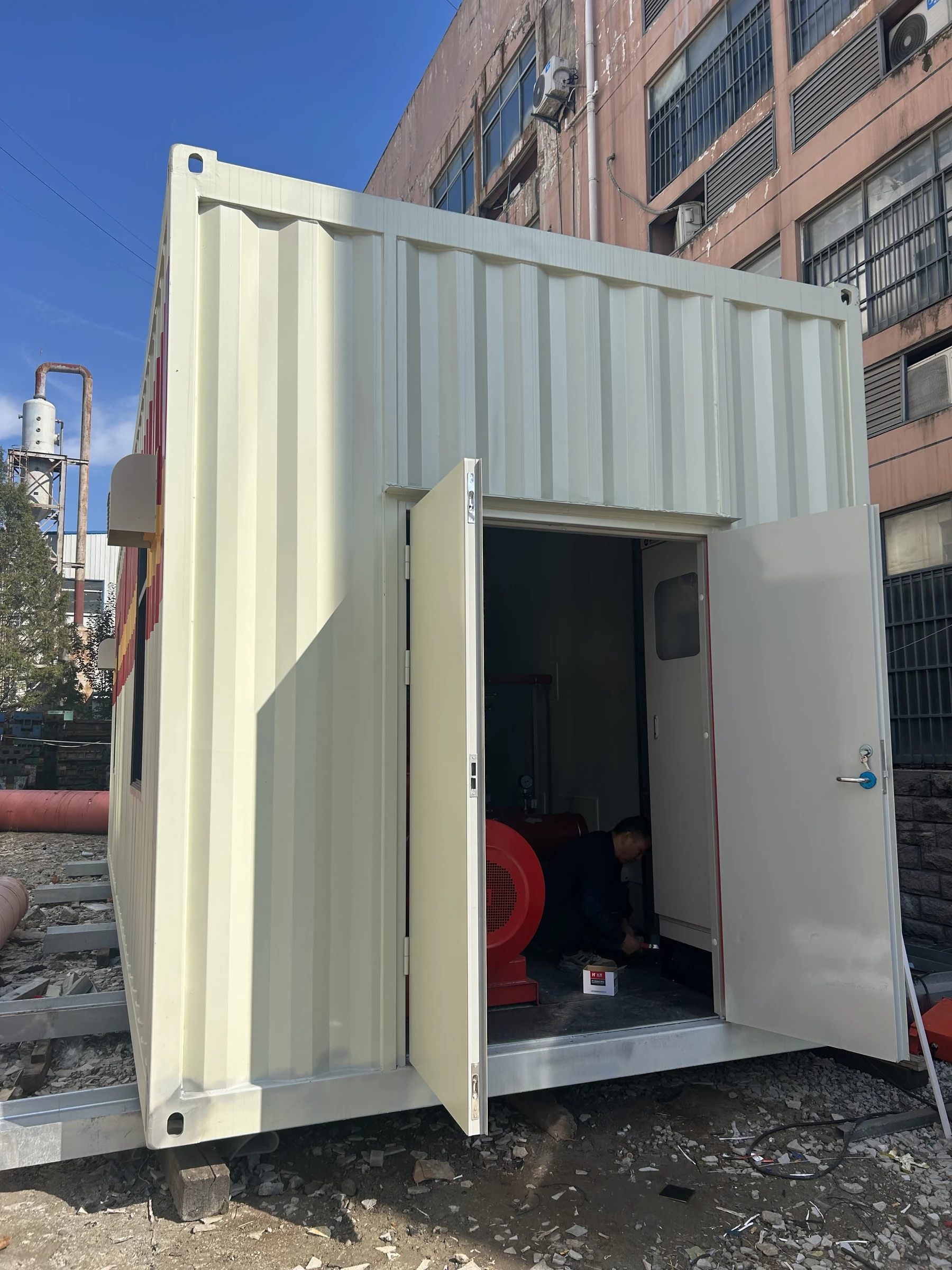
This package provides fire water for the Dayou crude oil dehydration station in the Dayou block of the Junggar Basin. Located in the Gobi desert of Xinjiang, the oil and gas facility includes crude oil processing and storage equipment with demanding fire water safety and reliability requirements. Limited civil works resources, daily temperature swings, cold winters, intense summer sun and windblown sand make a conventional concrete pump house difficult to build. An integrated skid-mounted unit is assembled, piped, wired and commissioned at the factory, then transported to site for rapid positioning and connection, serving the process and oil storage areas.
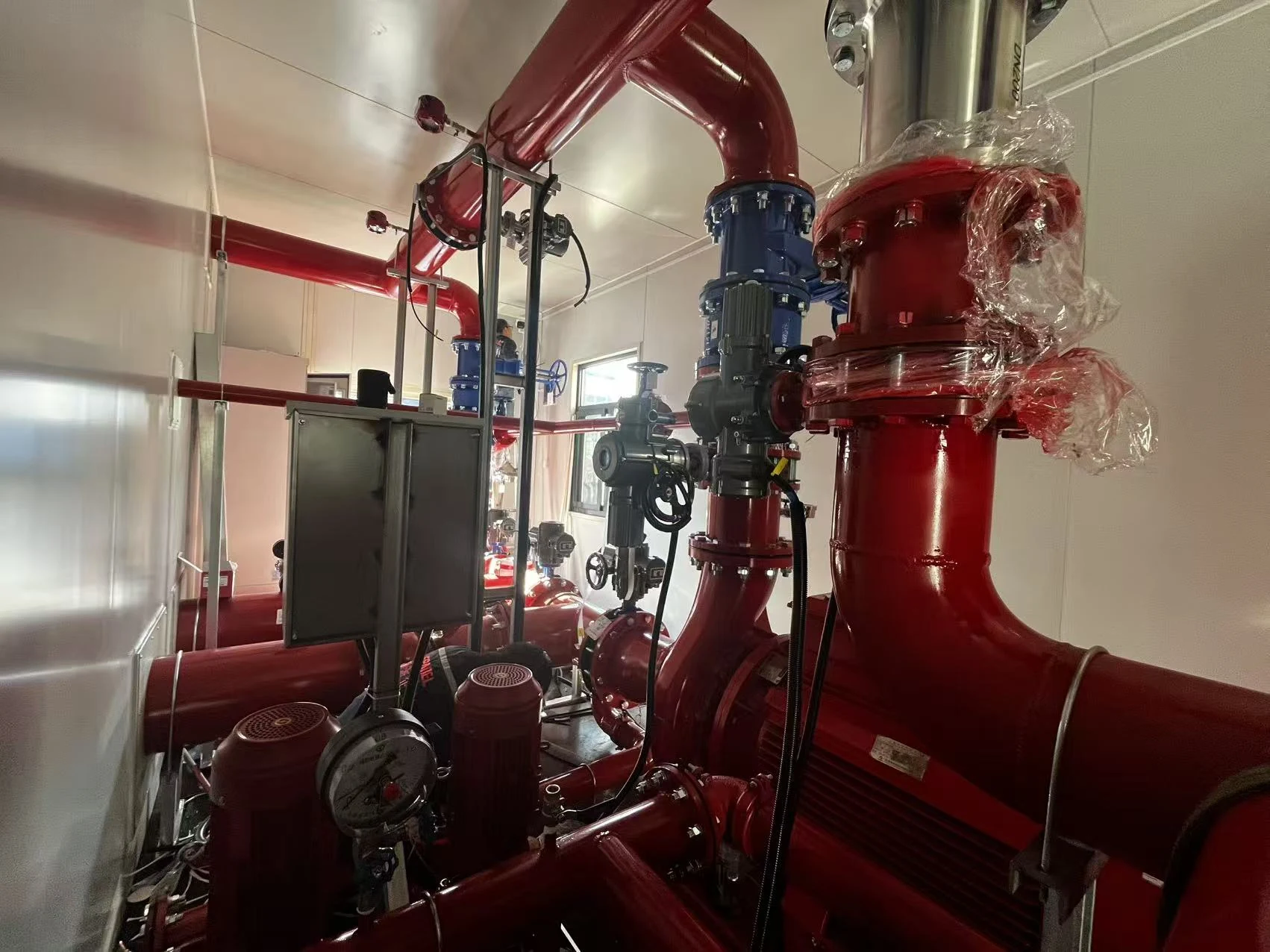
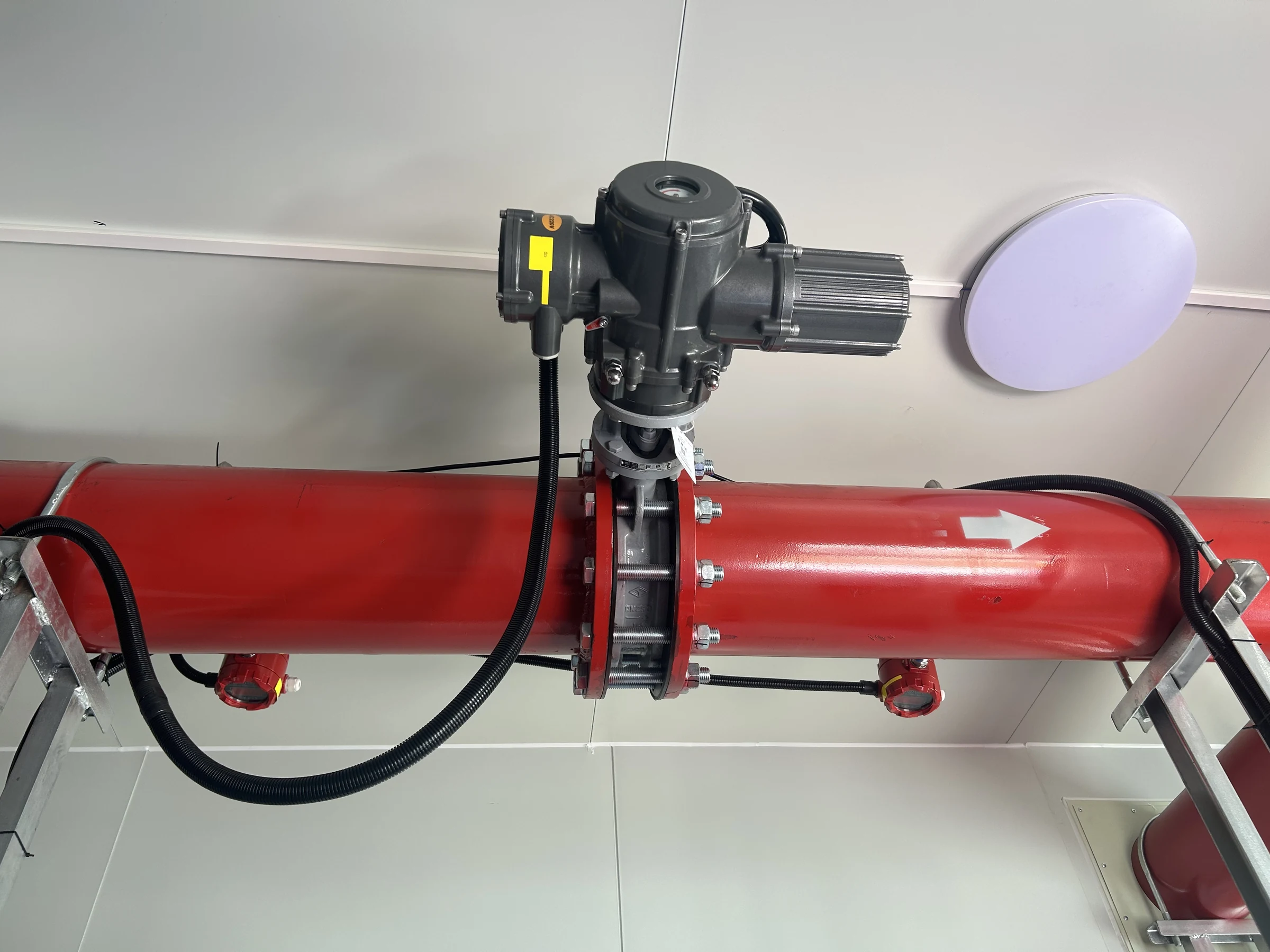
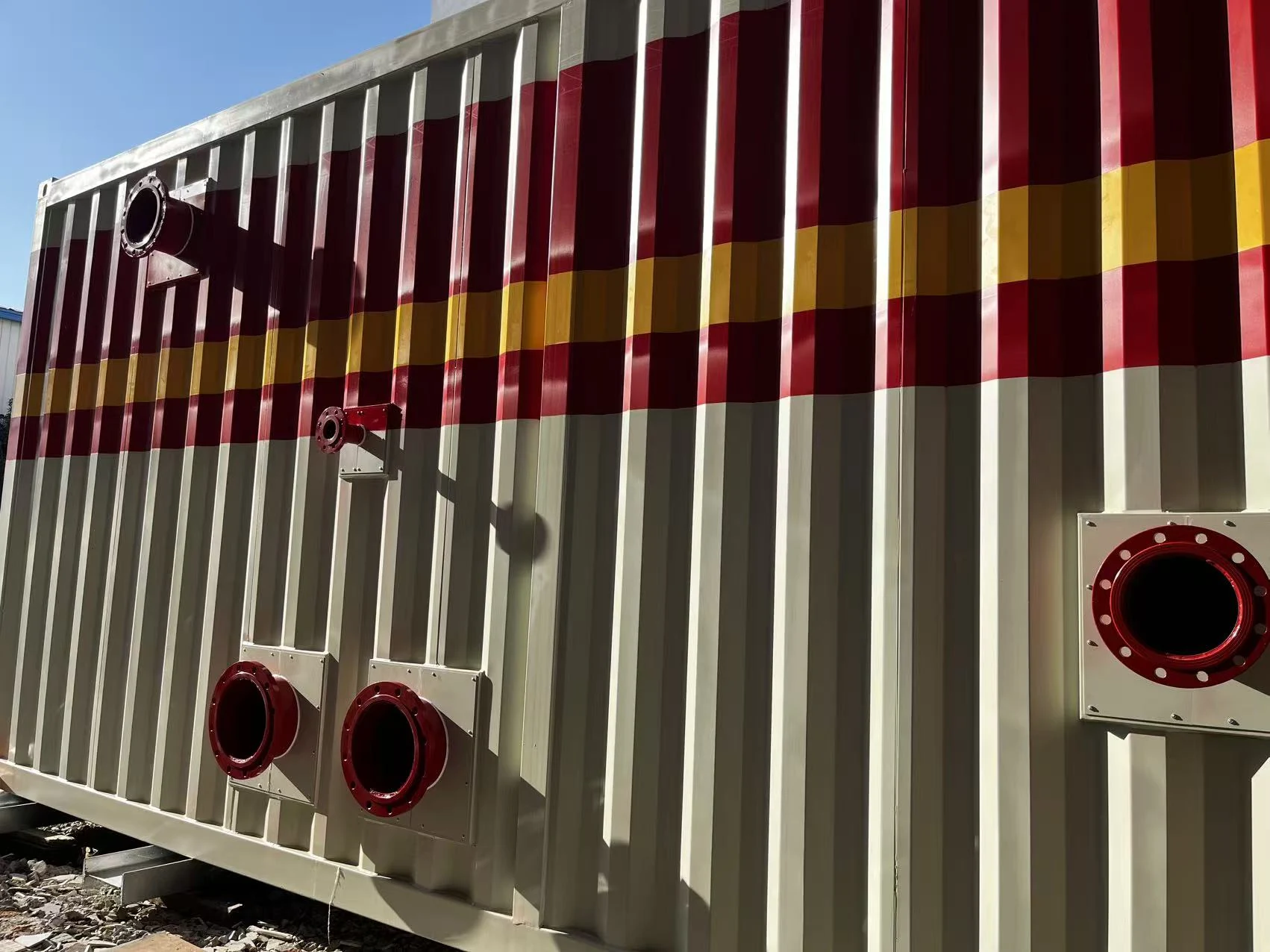
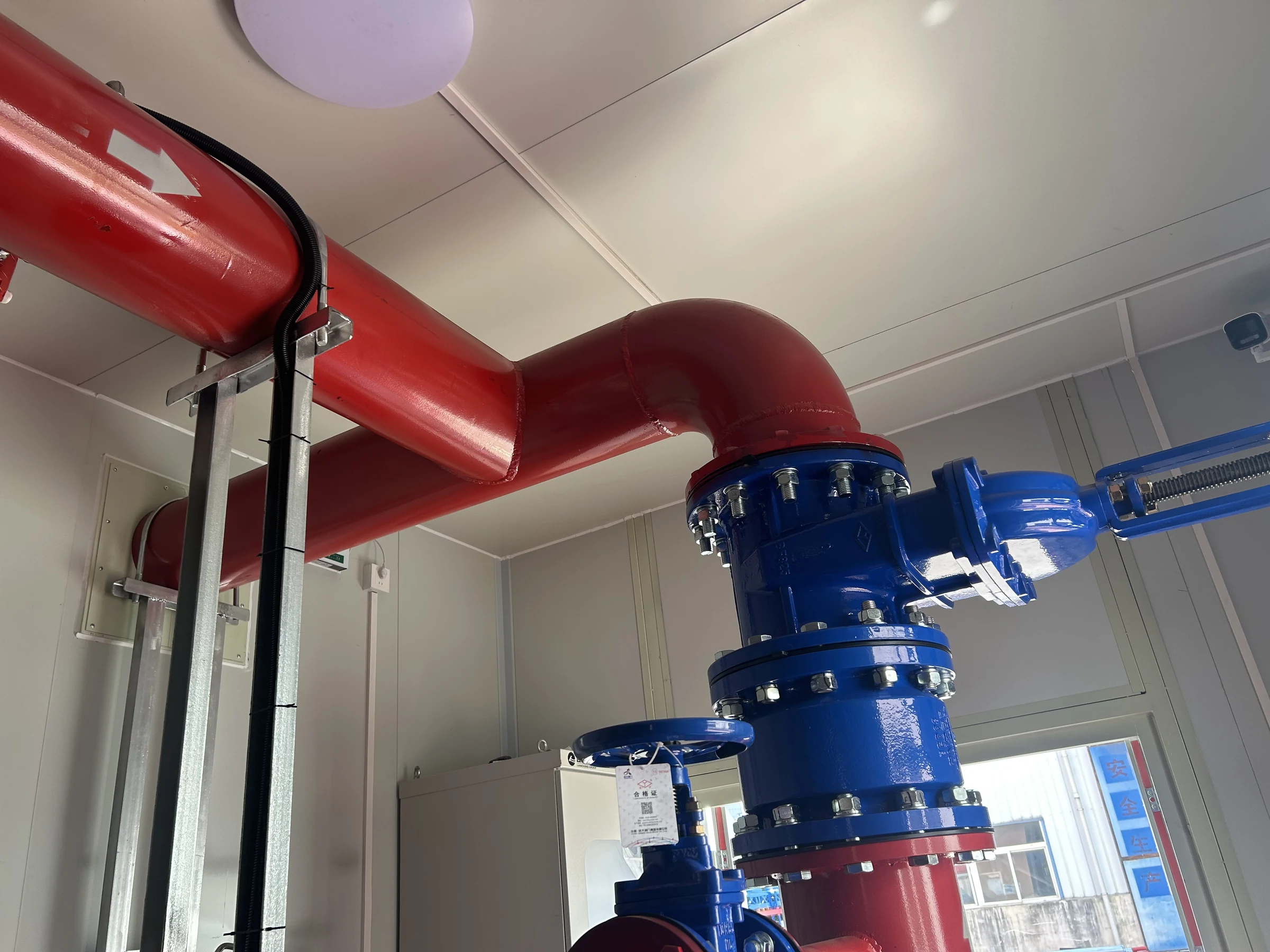
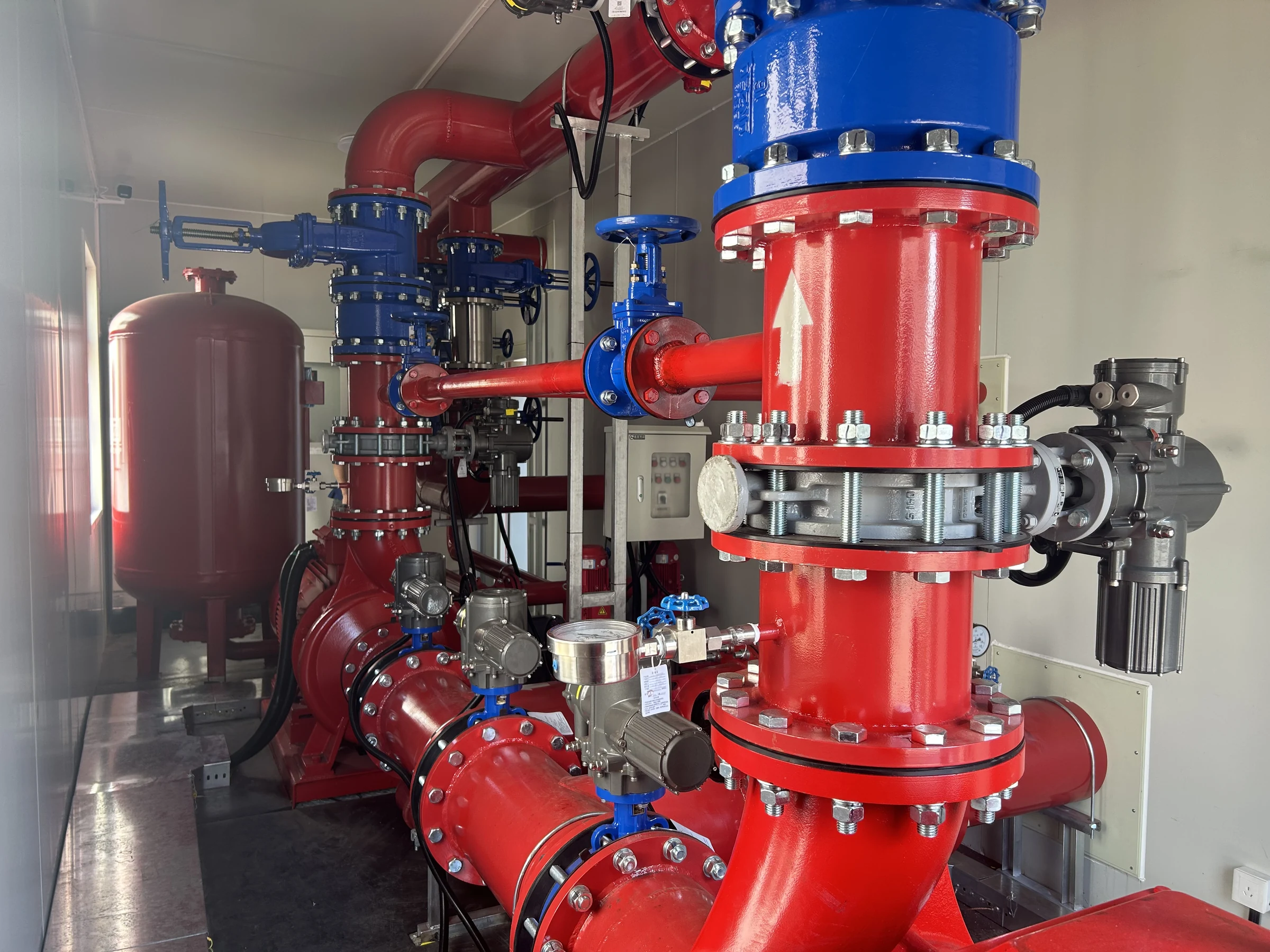
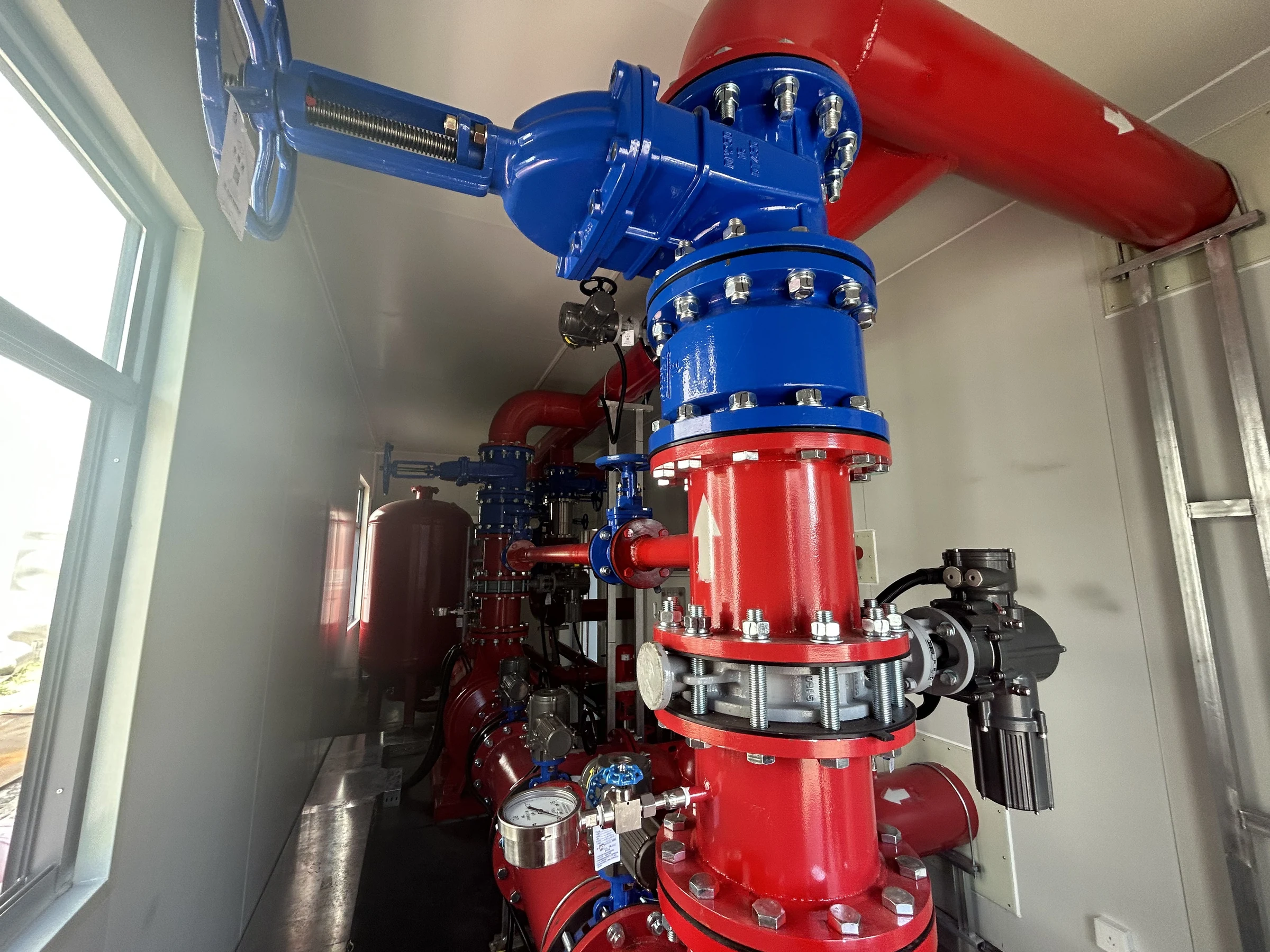
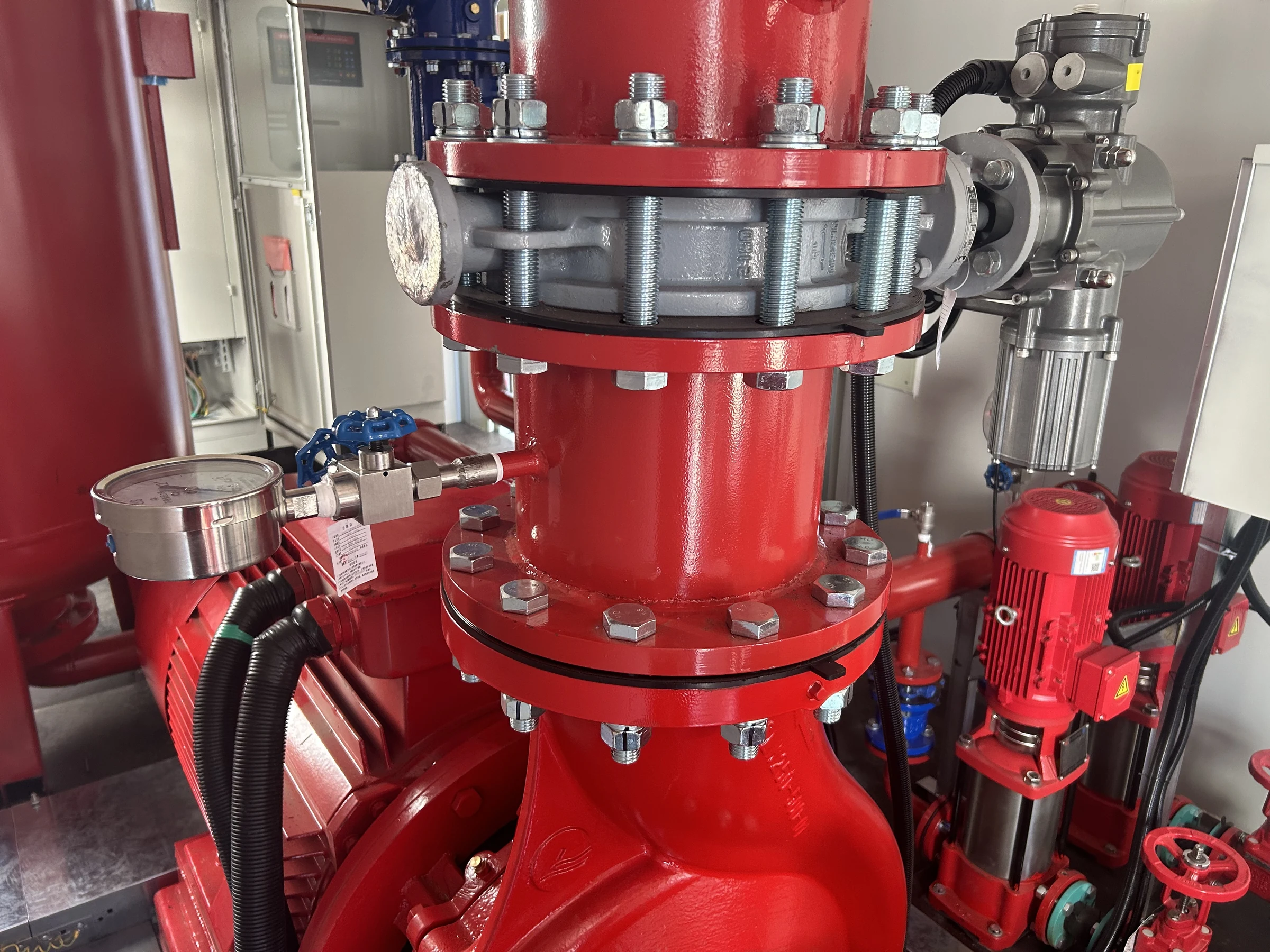
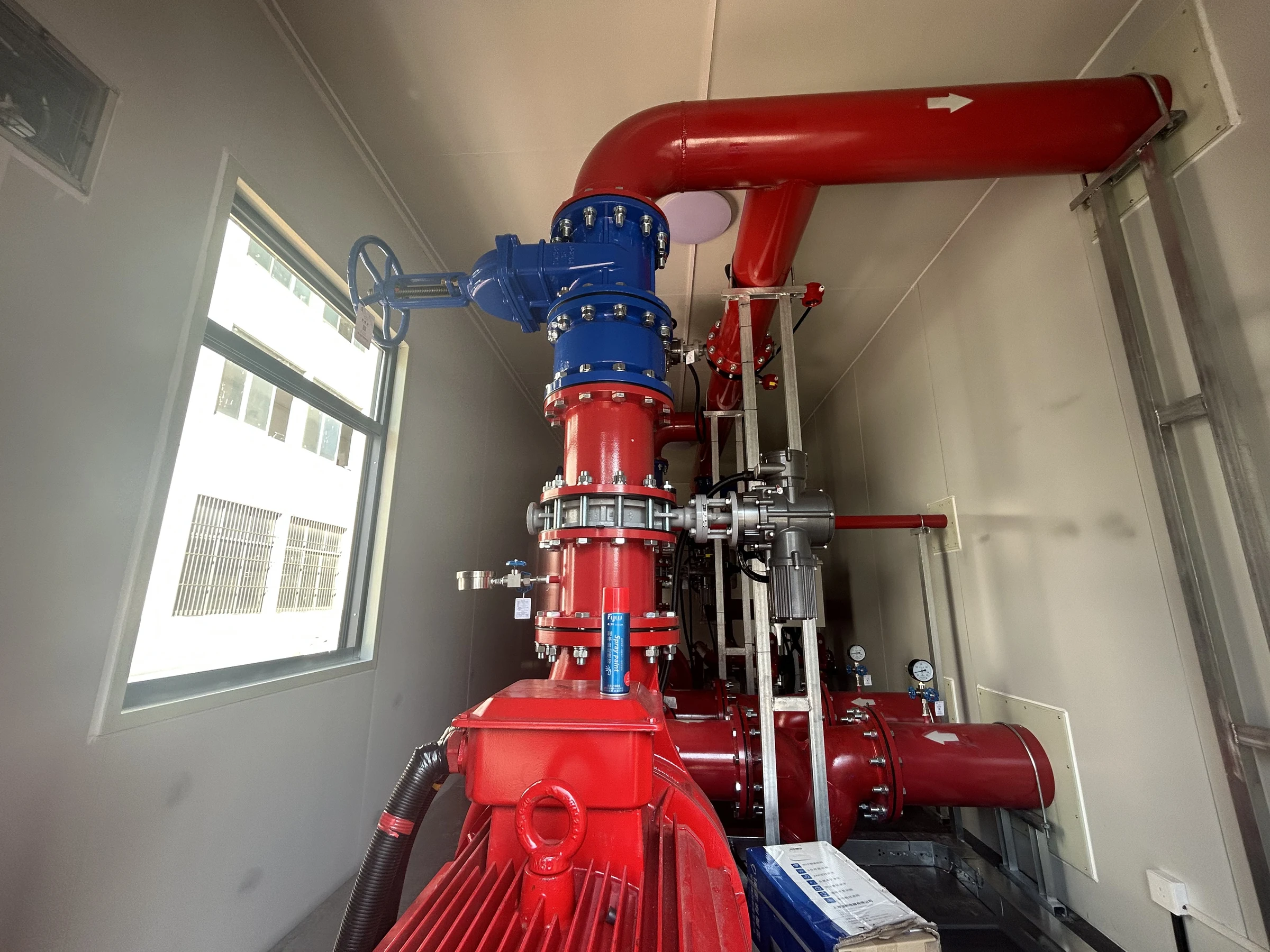
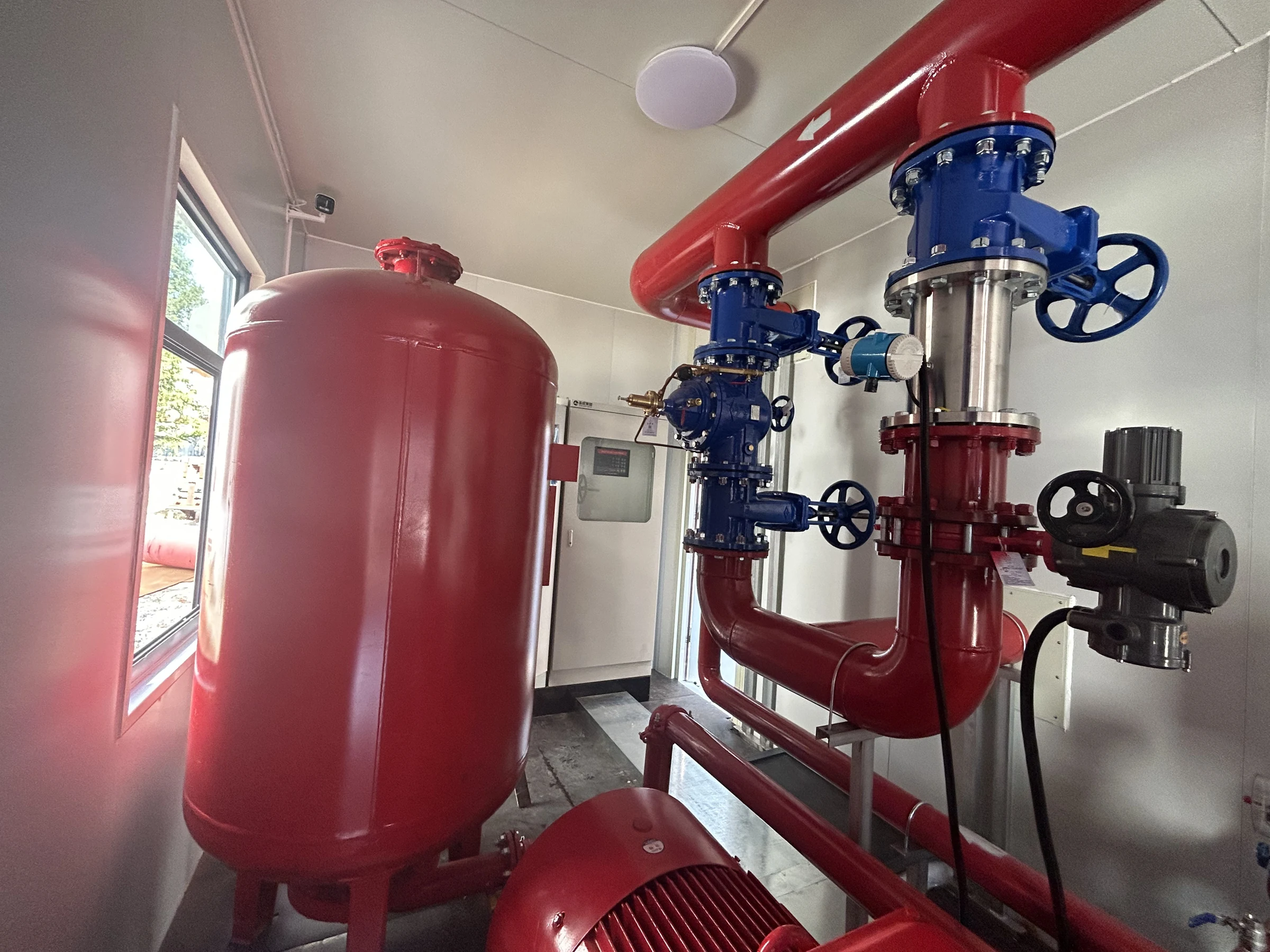
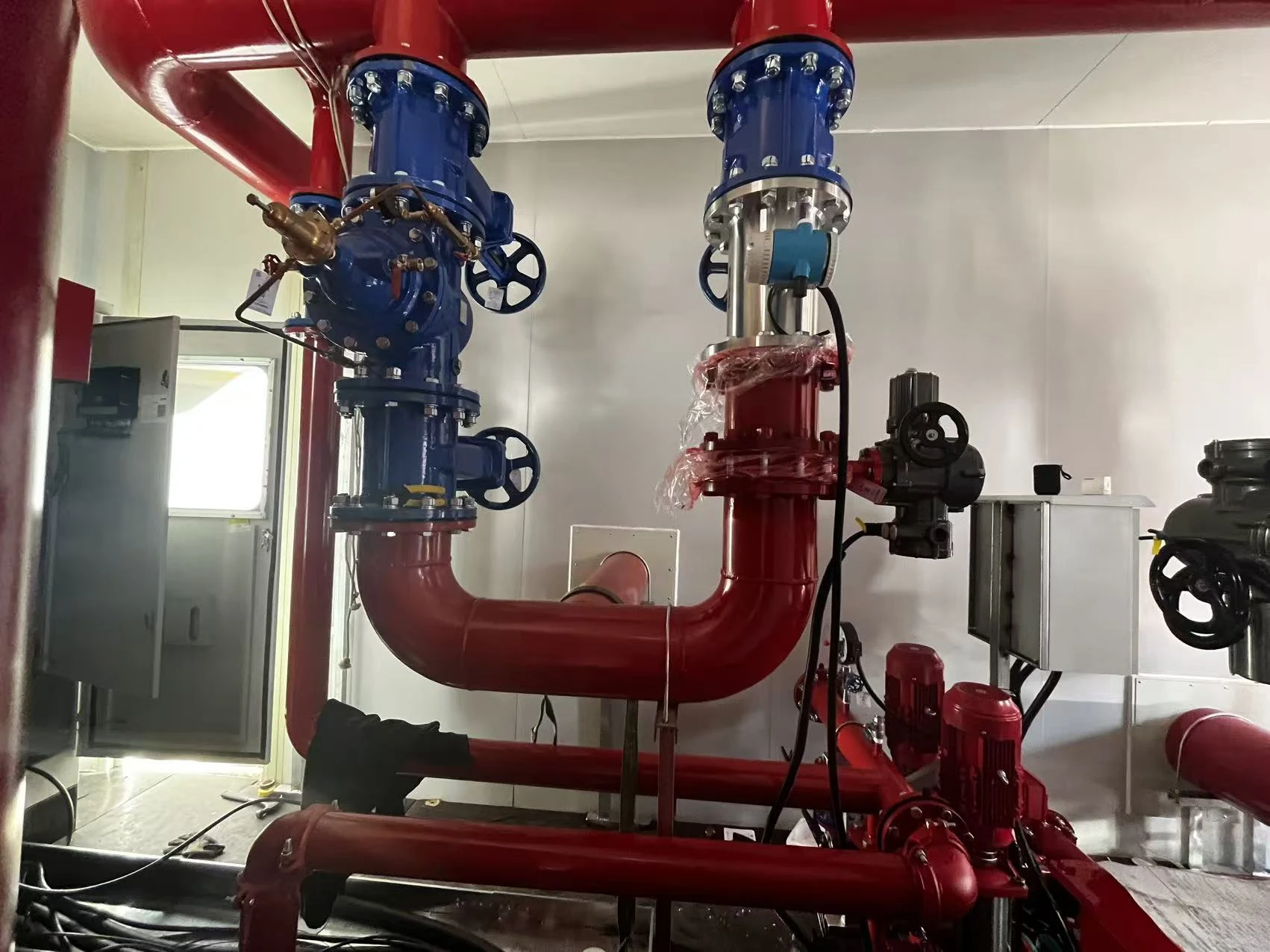
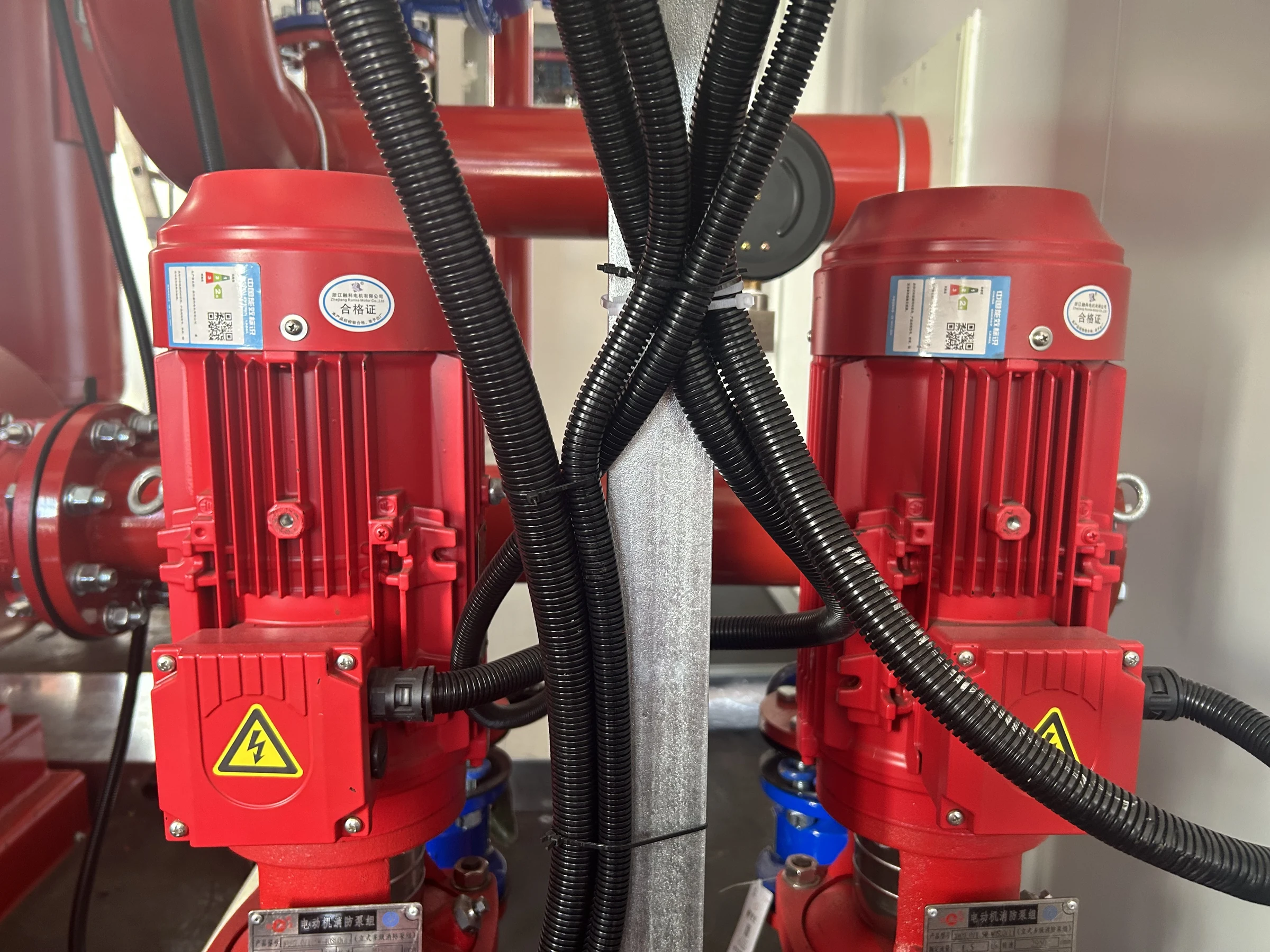
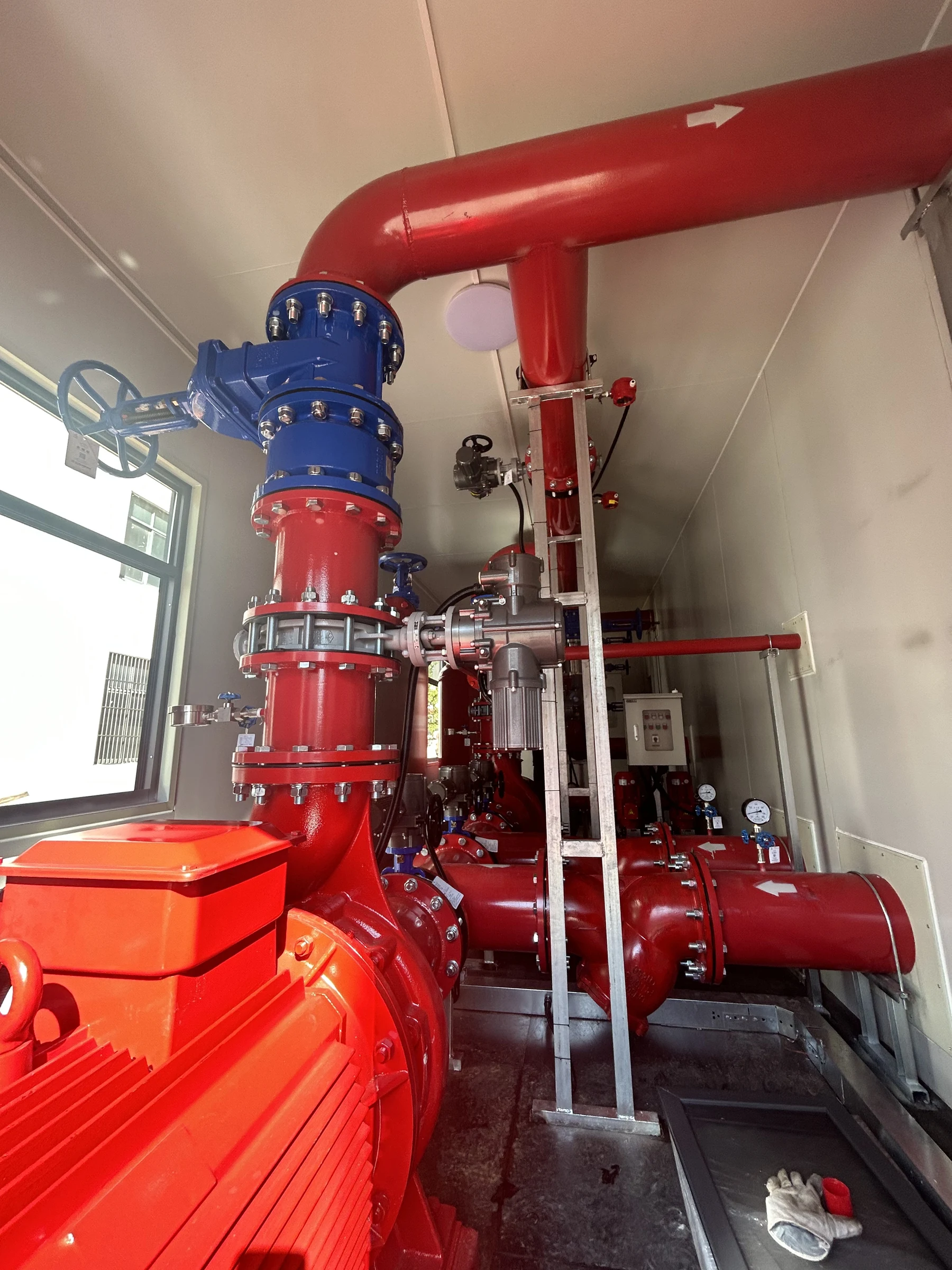
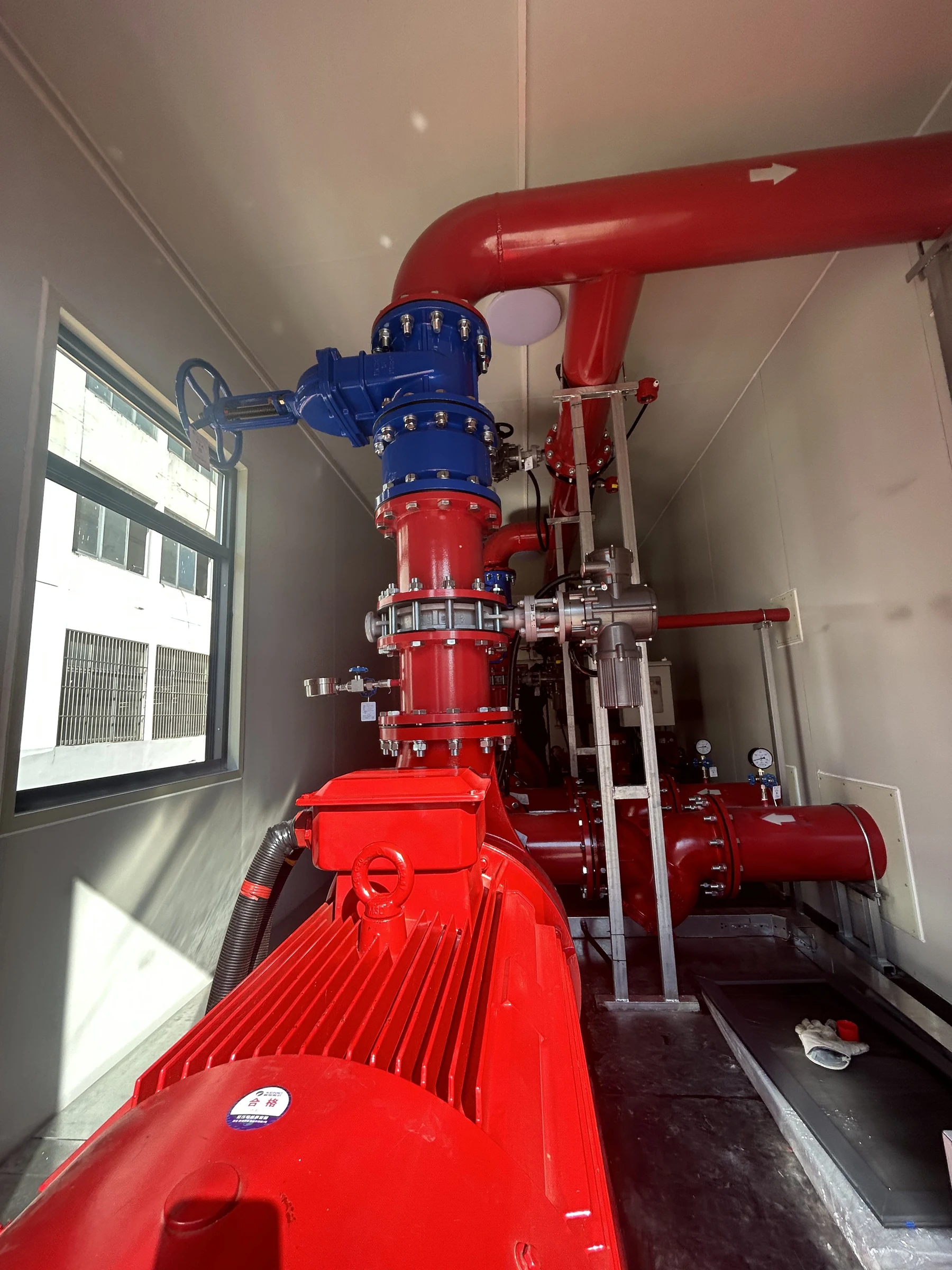
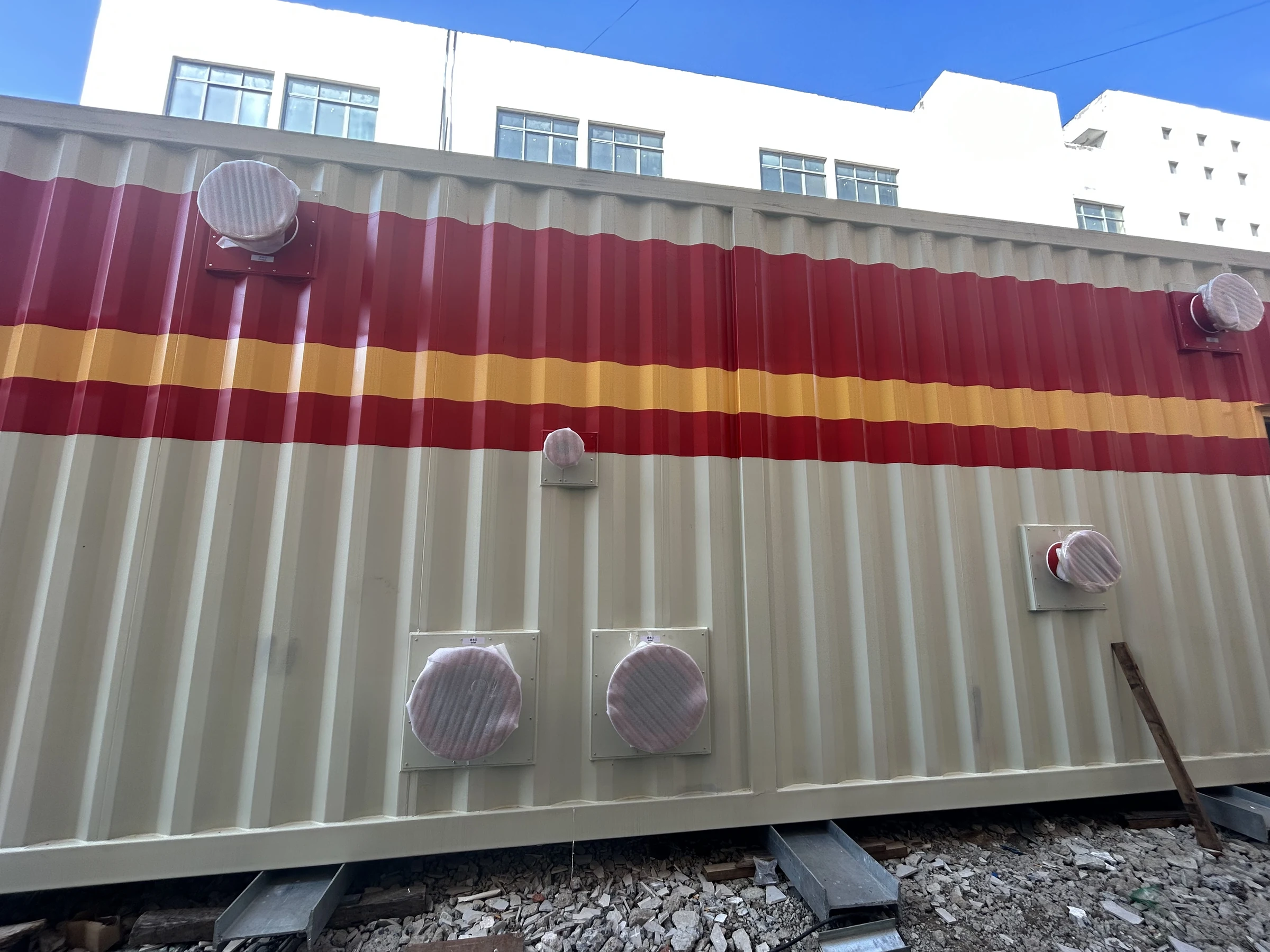
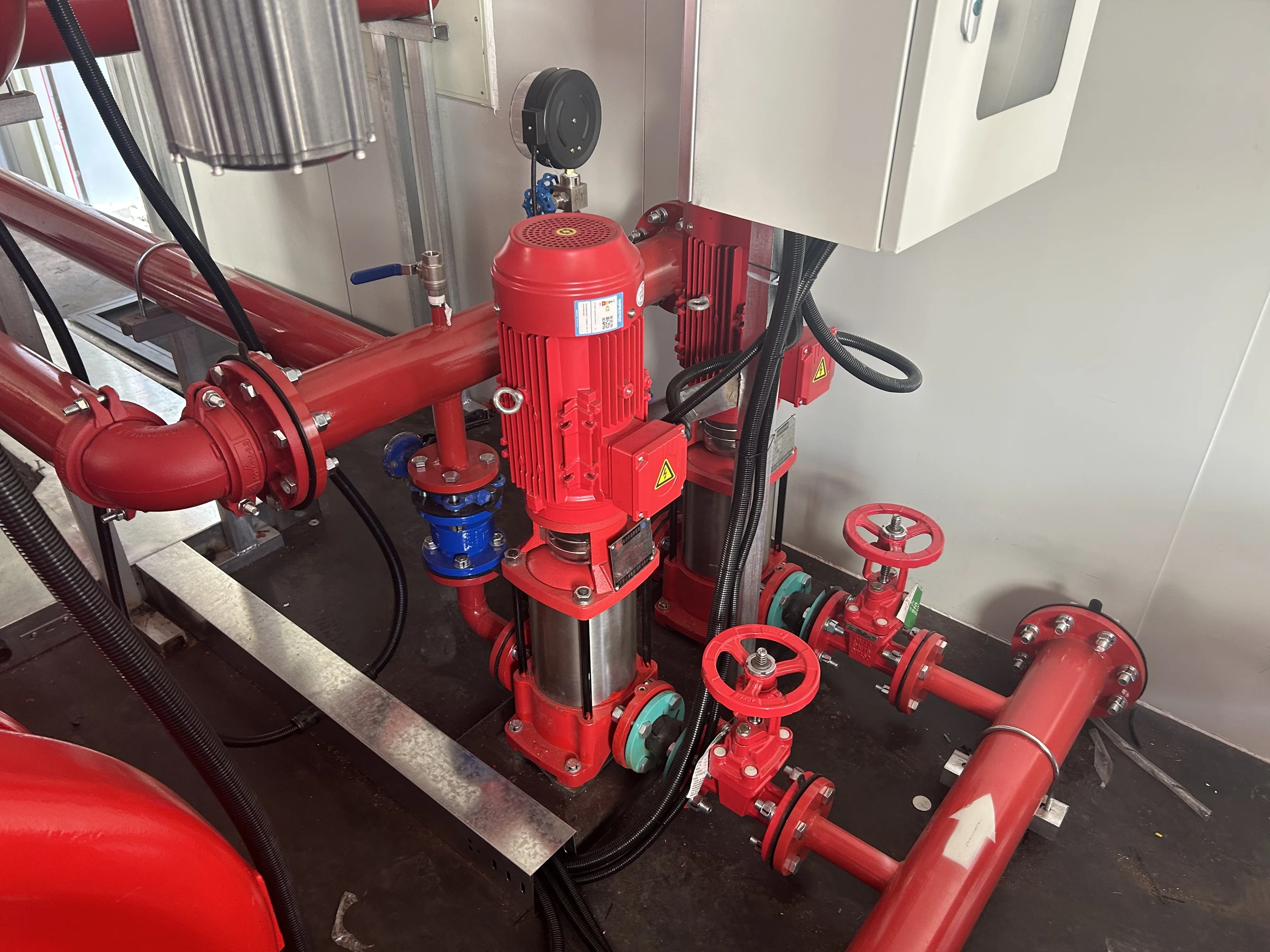
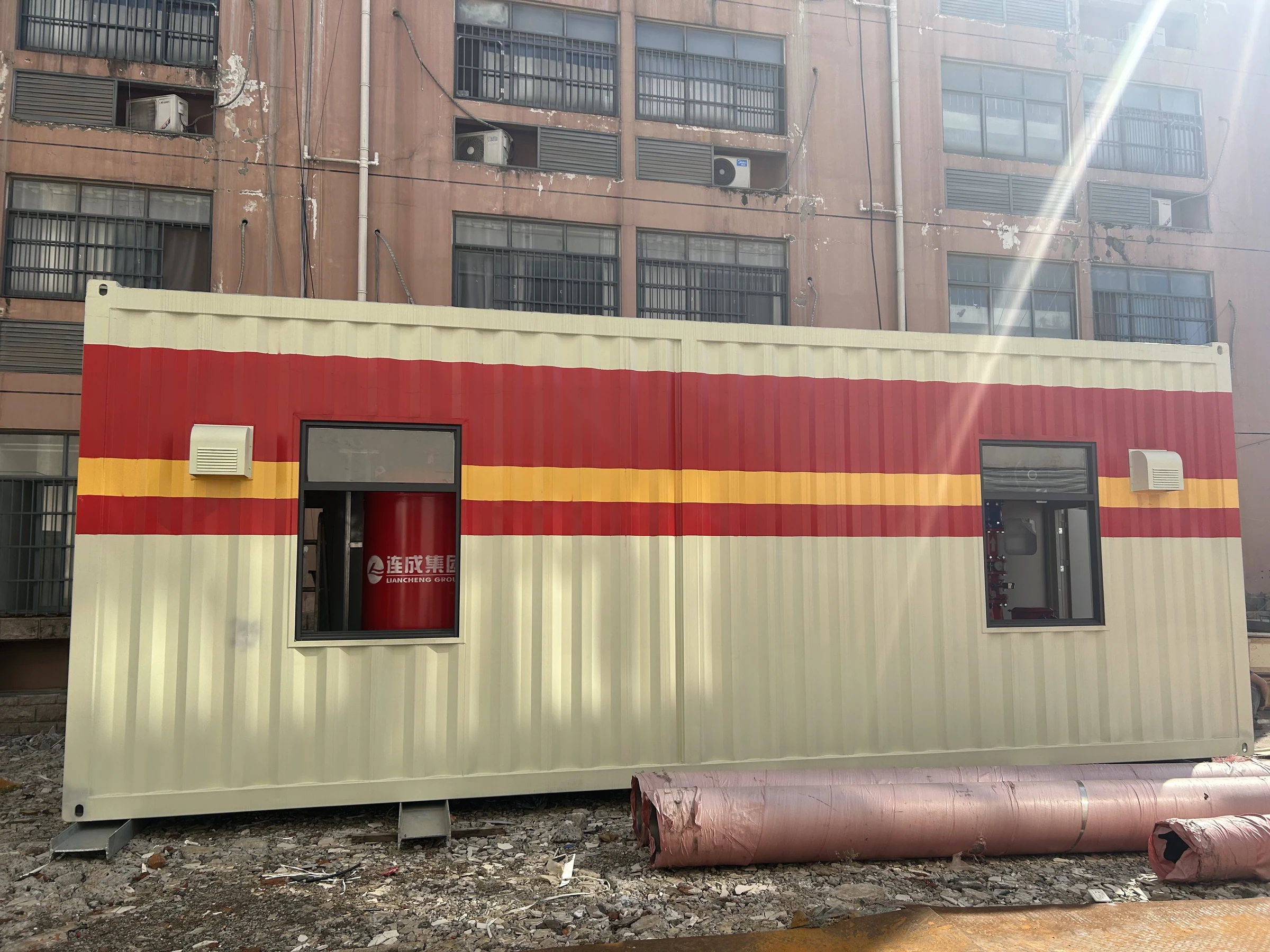
The skid integrates pump units, large-diameter inlet and outlet pipes, grooved fittings, valves, pressure sensors, pipe supports with vibration isolation, cable trays and electrical equipment. Its insulated, coated steel-panel enclosure can be lifted as a complete unit, matching the site's handling conditions and oil and gas facility fire protection design requirements.
Project challenges
Gobi climate: large daily temperature changes, winter cold, summer heat and persistent sand require corrosion protection for pipes, seals and steelwork, together with frost and heat protection. The design must address frozen pipes, ageing seals and dust entering electrical components, supporting year-round readiness.
High-risk oil and gas operations: the crude oil dehydration station has a high fire risk classification. Stable water pressure and flow, automatic duty and standby pump changeover and fault alarms are needed to supply firefighting and cooling water to tanks and process equipment in accordance with applicable oil and gas engineering requirements.
Remote construction constraints: difficult logistics and scarce civil works resources limit site welding and equipment assembly. The skid and secure pipe connections must withstand long-distance road transport and lifting while reducing on-site installation work.
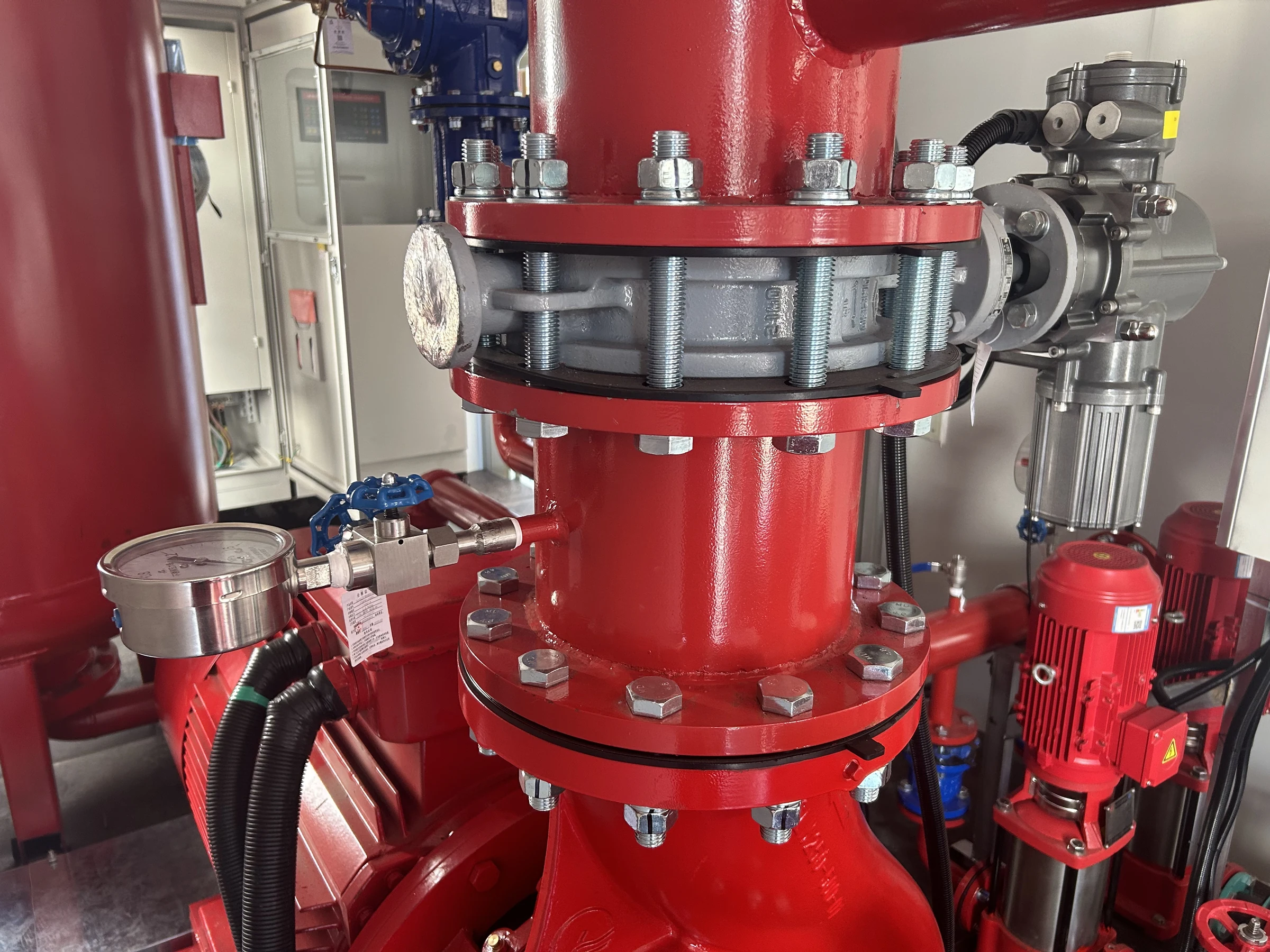
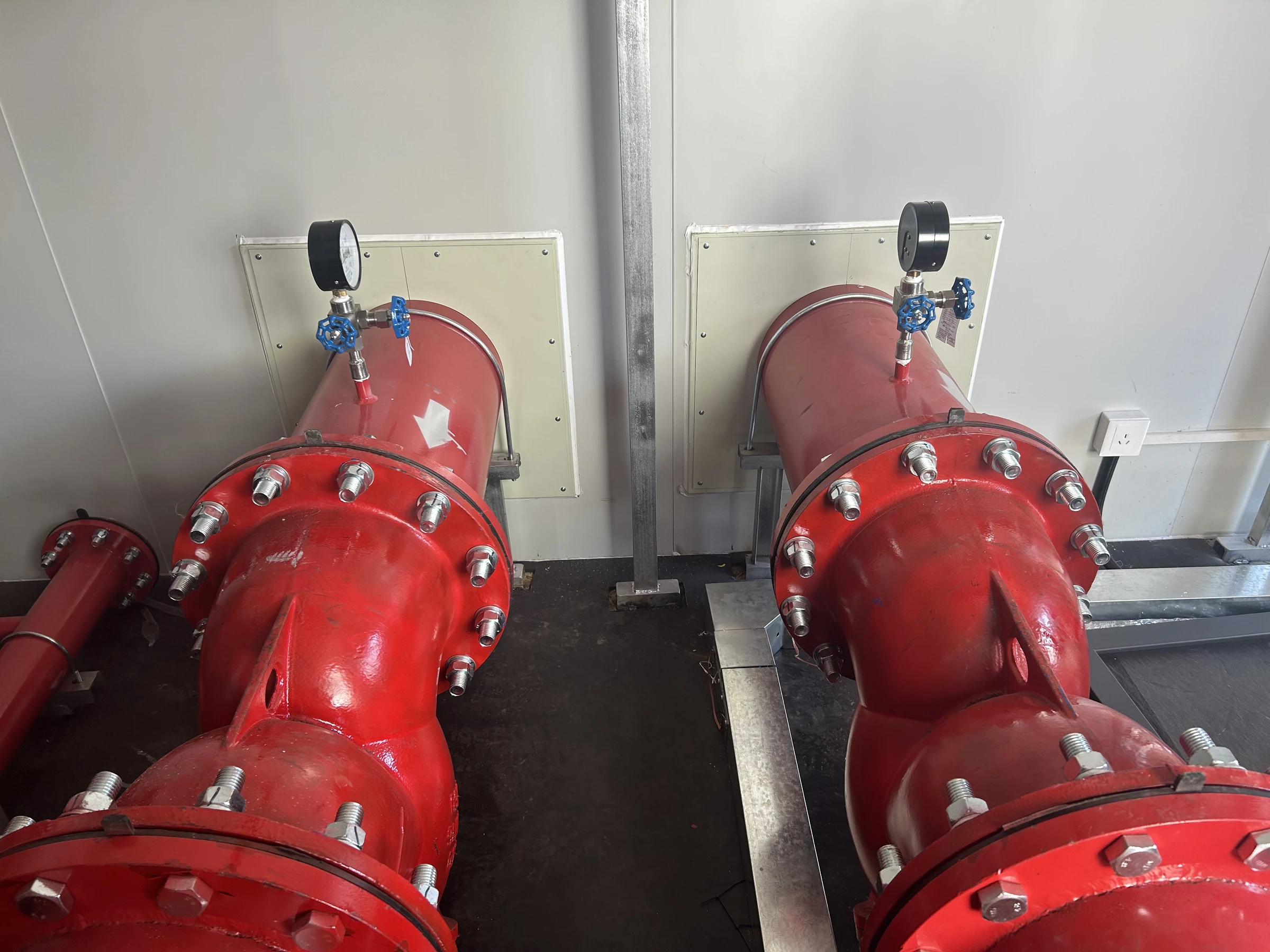
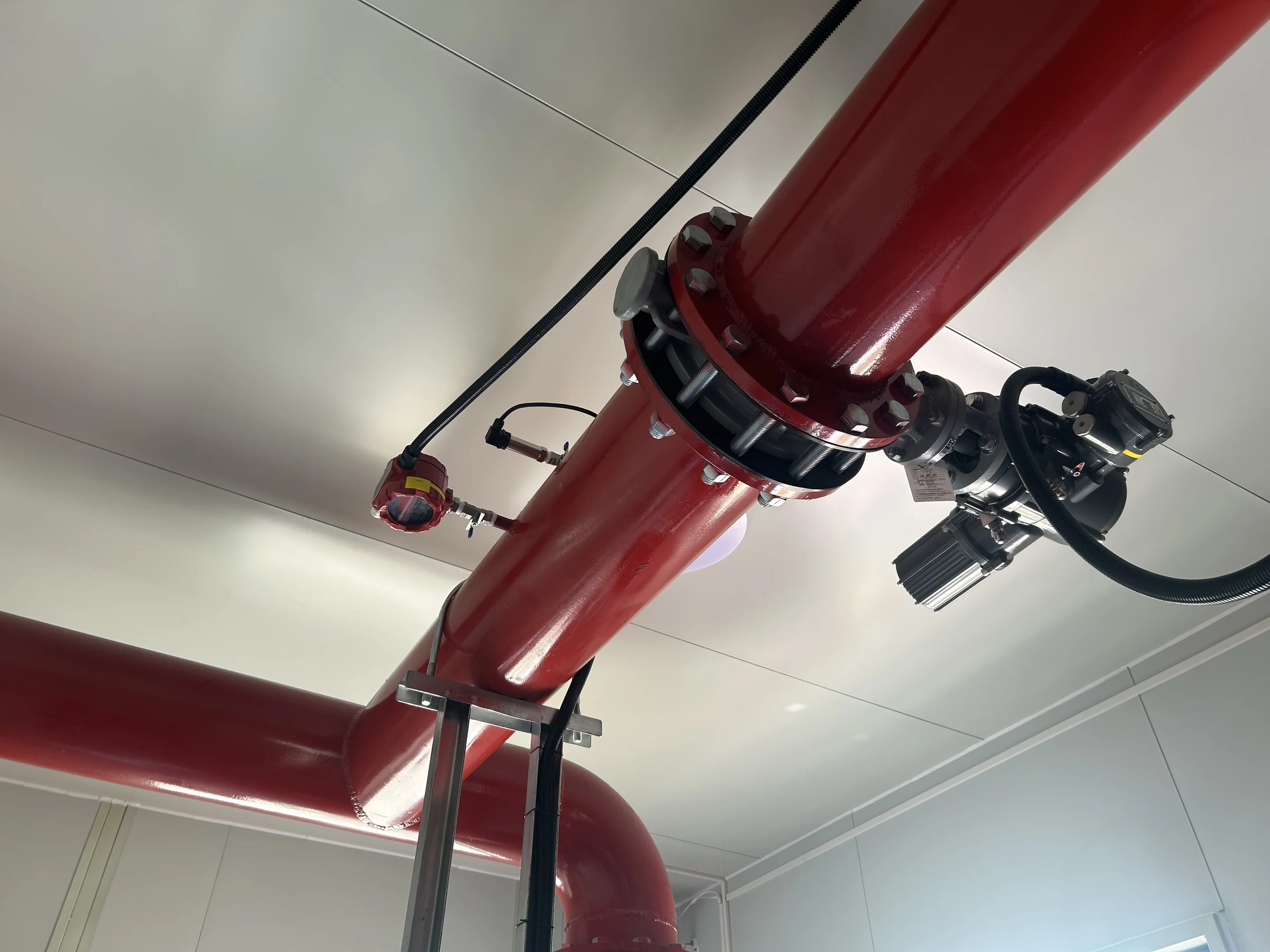
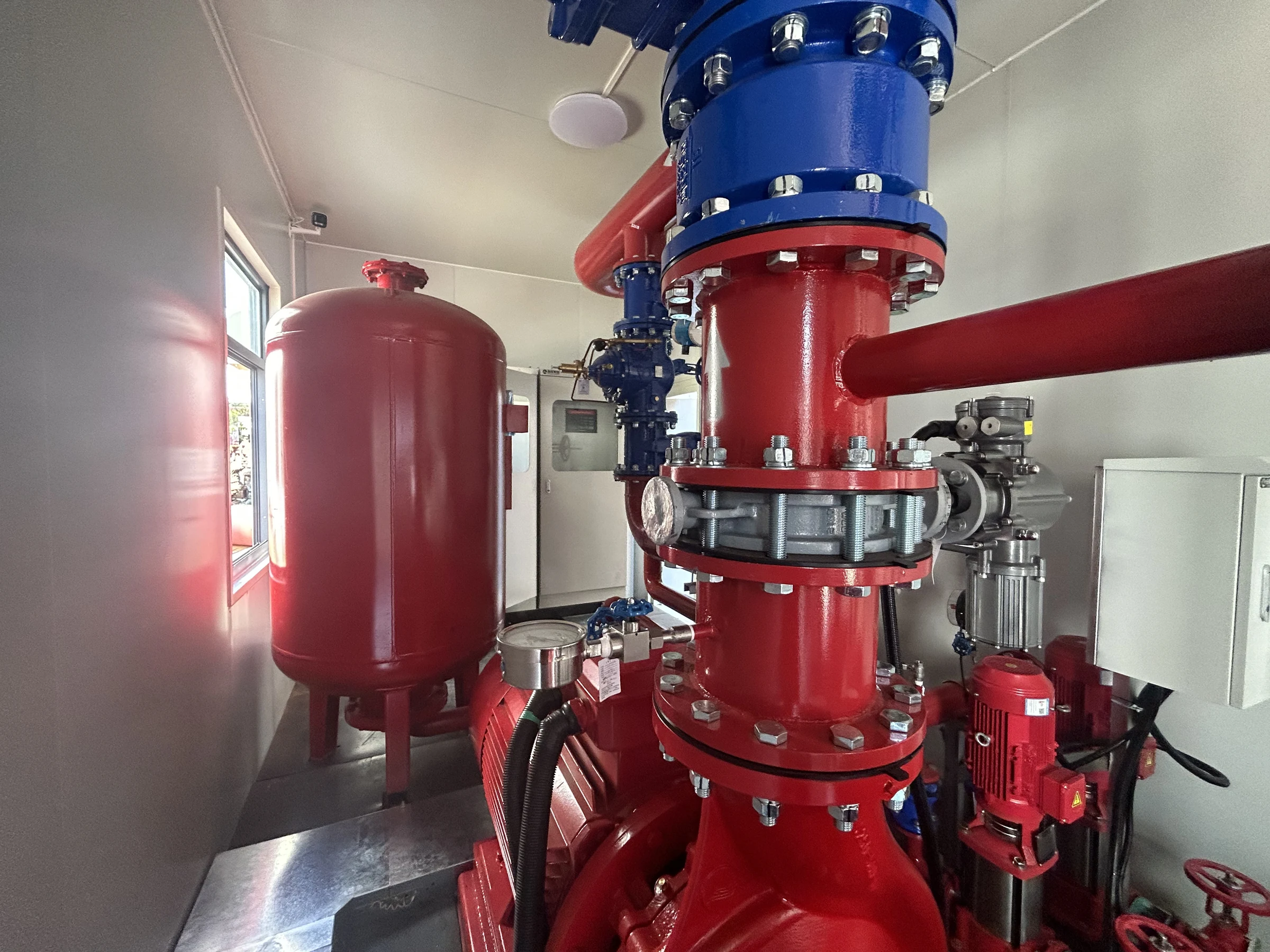
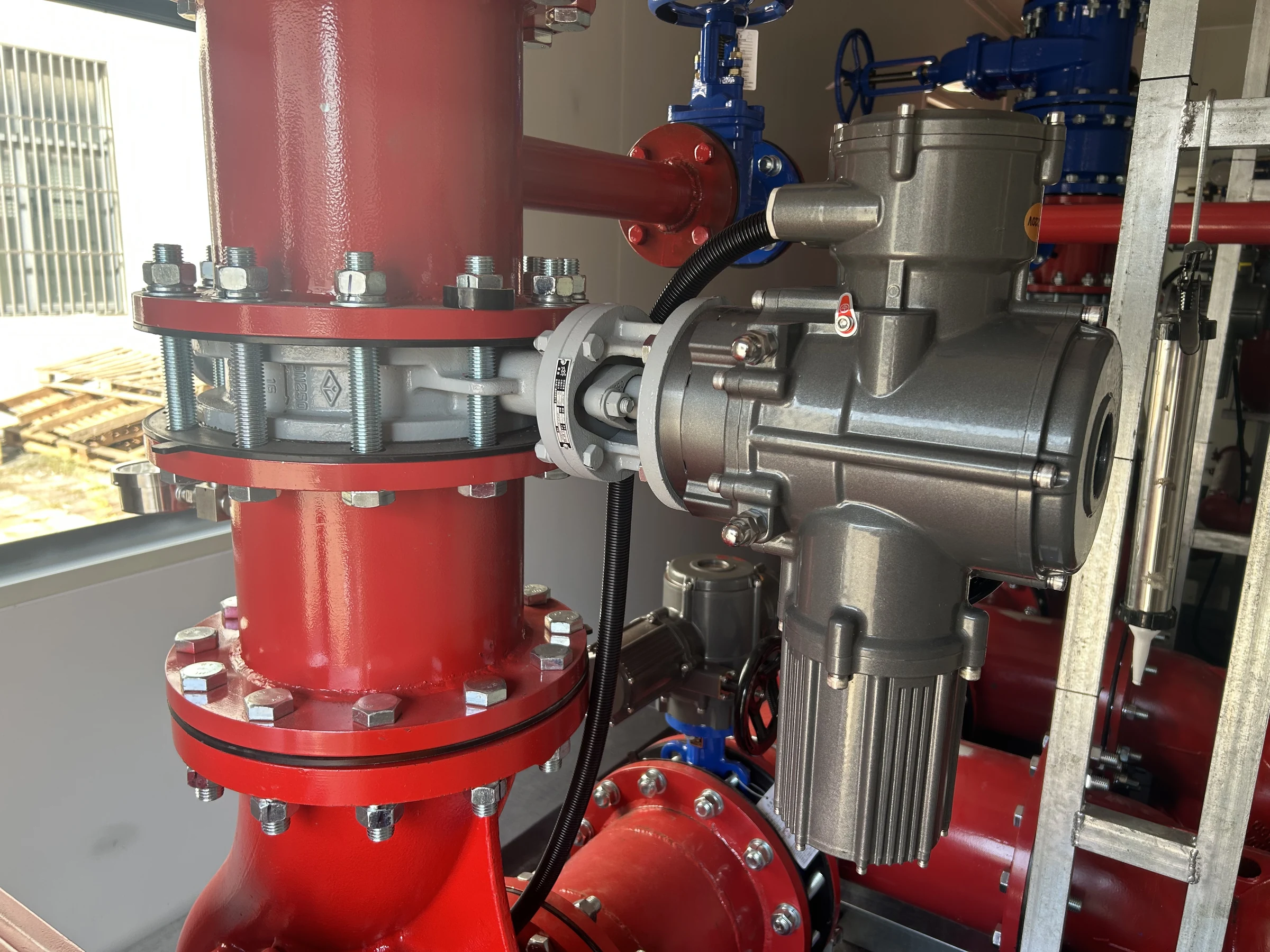
High-flow pipework integration: large fire water demand requires large-diameter piping, reliable pressure containment, accurate assembly and leak-tight joints. Factory integration of grooved fittings, flanges, couplings, gaskets and fasteners is central to long-term system reliability.
Project solution
3.1 Enclosure and Gobi climate adaptation
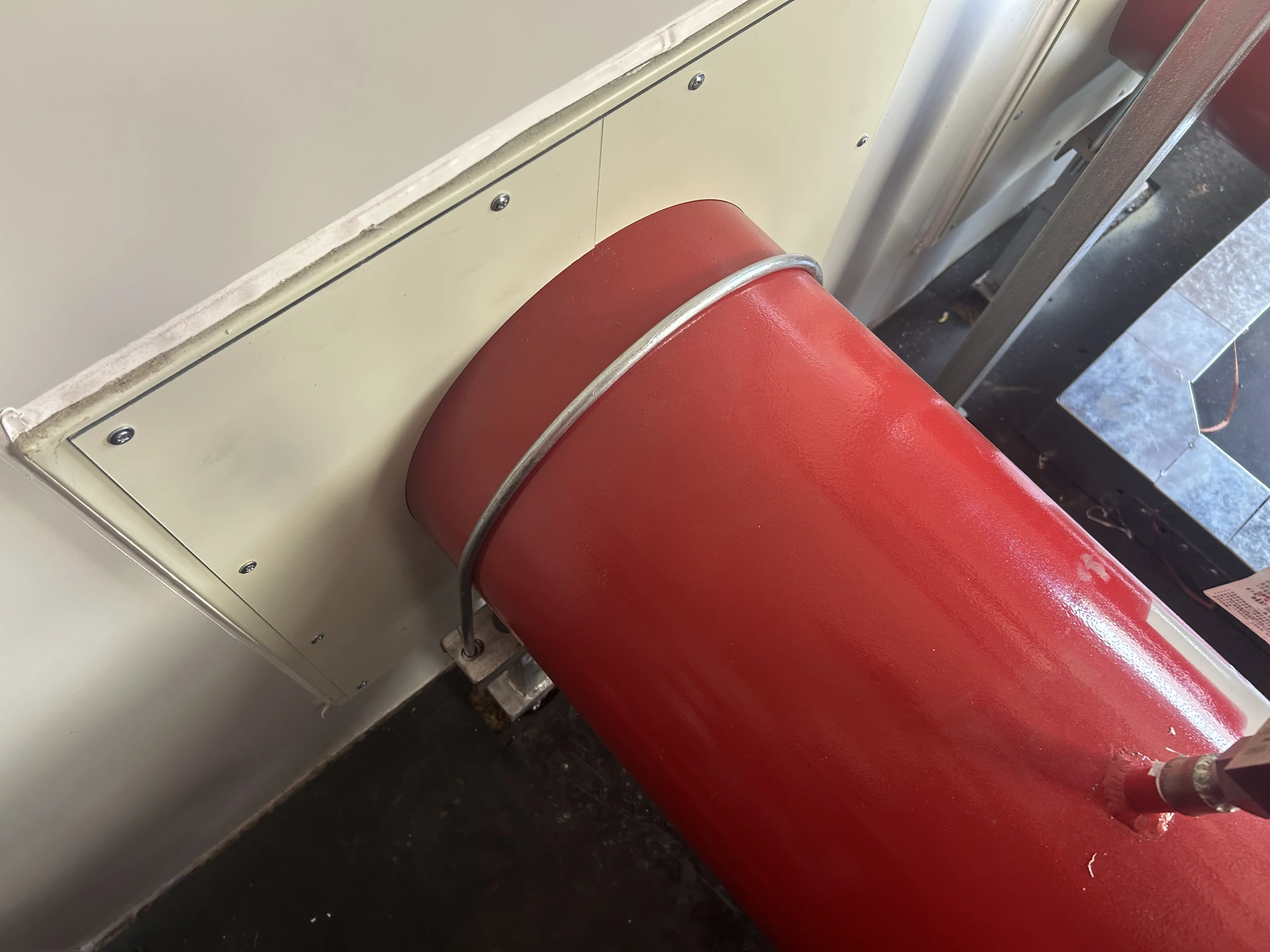
The enclosed steel-panel pump house is liftable as a complete unit, with insulation, protection against sand and corrosion, heating, ventilation, emergency lighting and fire extinguishers. Its coated steelwork and high-strength frame suit desert handling and placement on a prepared foundation without a complex site-built building. Galvanized seamless steel pipes use grooved elbows, reducing tees, couplings, flanges and weather-resistant rubber gaskets. Rubber isolation pads at pipe supports reduce vibration, while red protective coatings protect pipework and joints in the desert environment.
3.2 Integrated fire water system
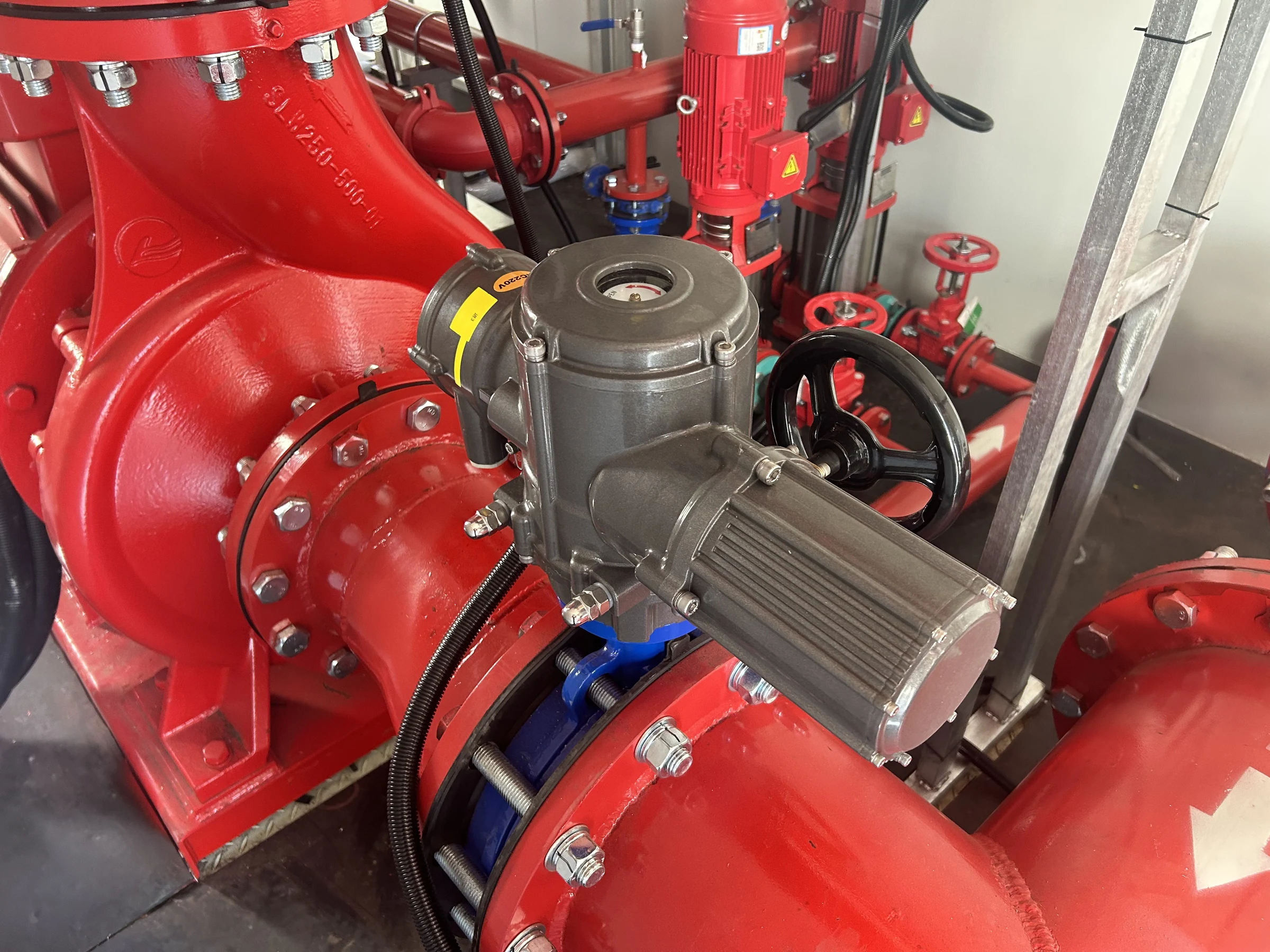
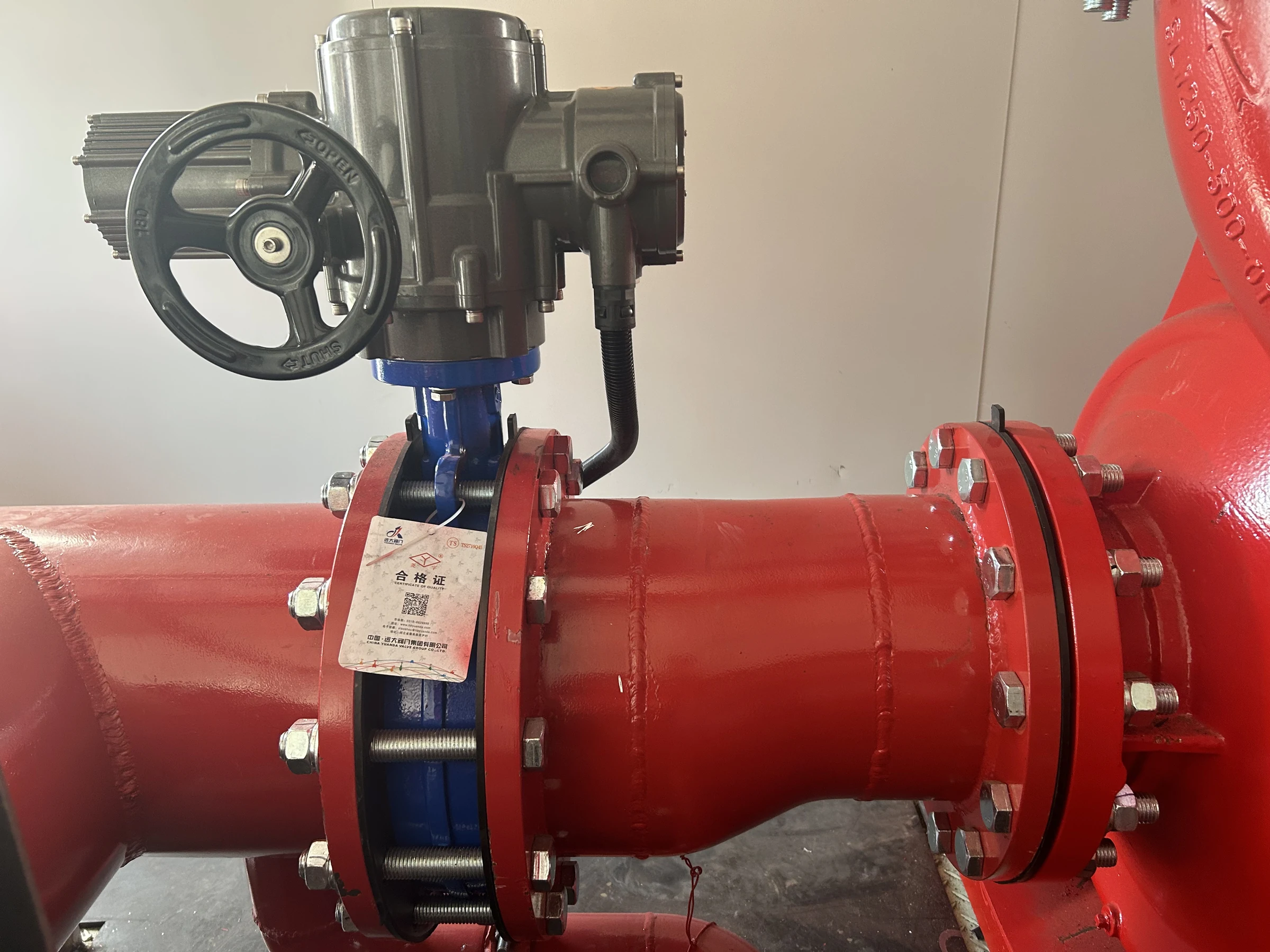
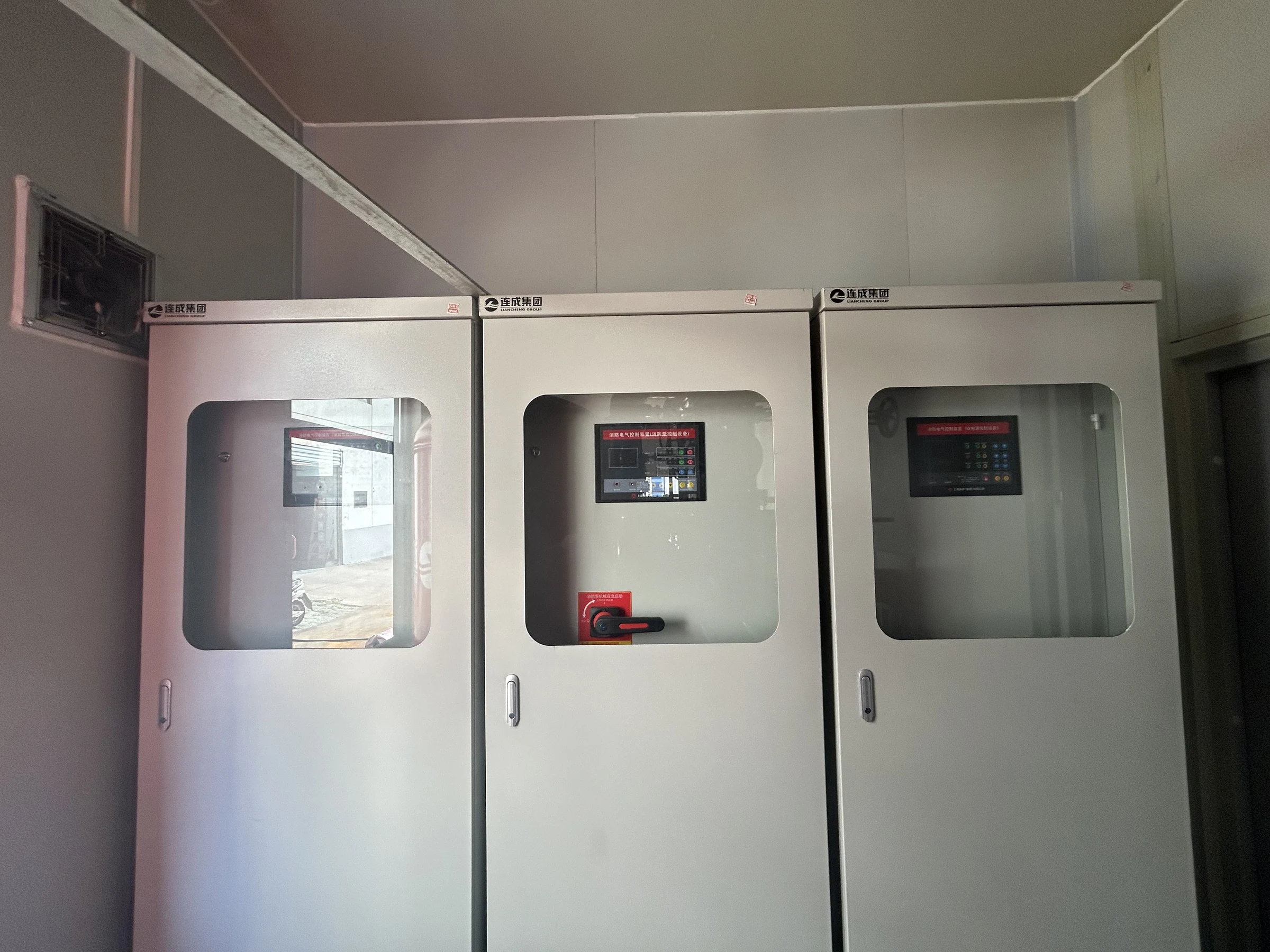
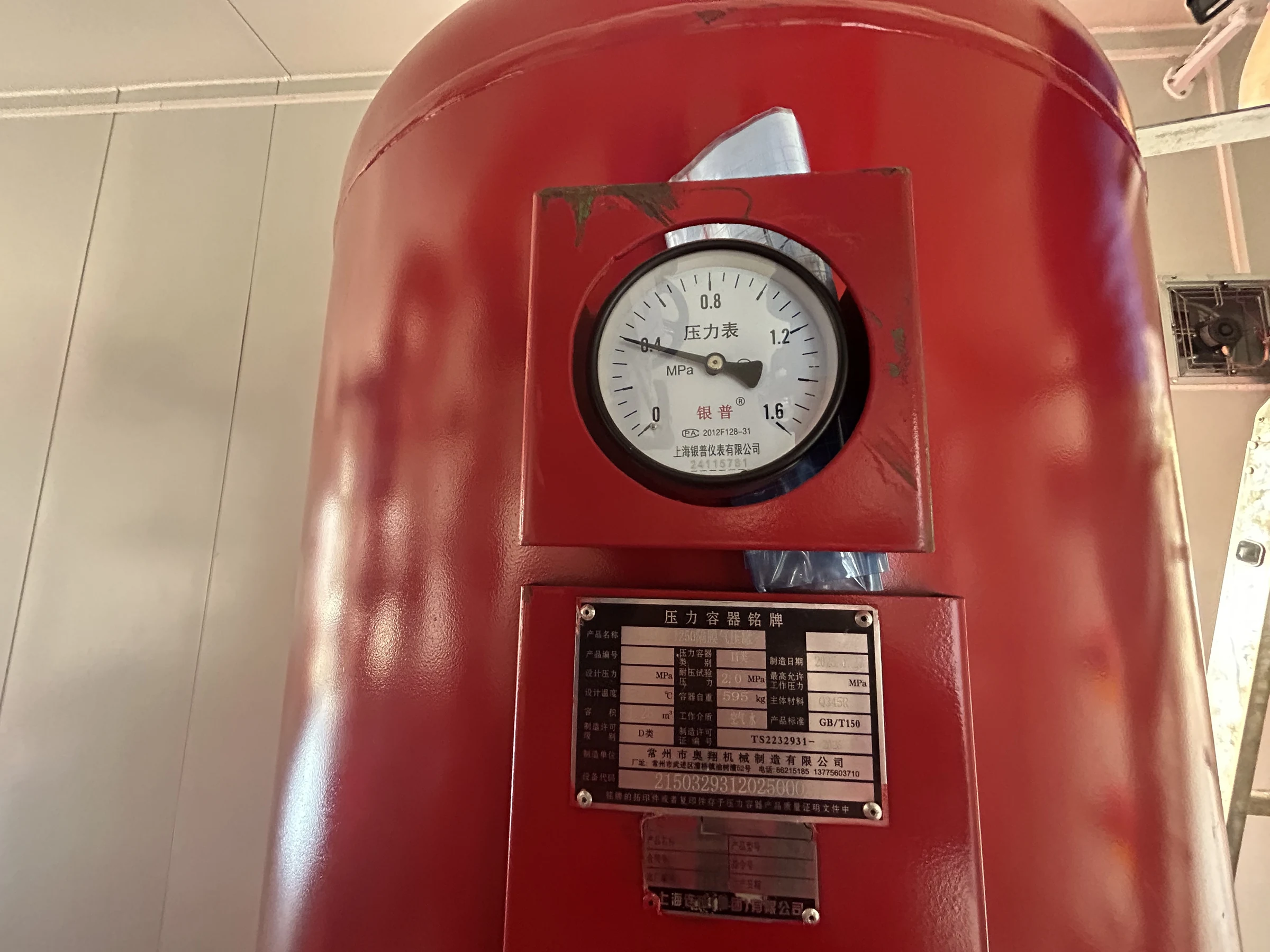
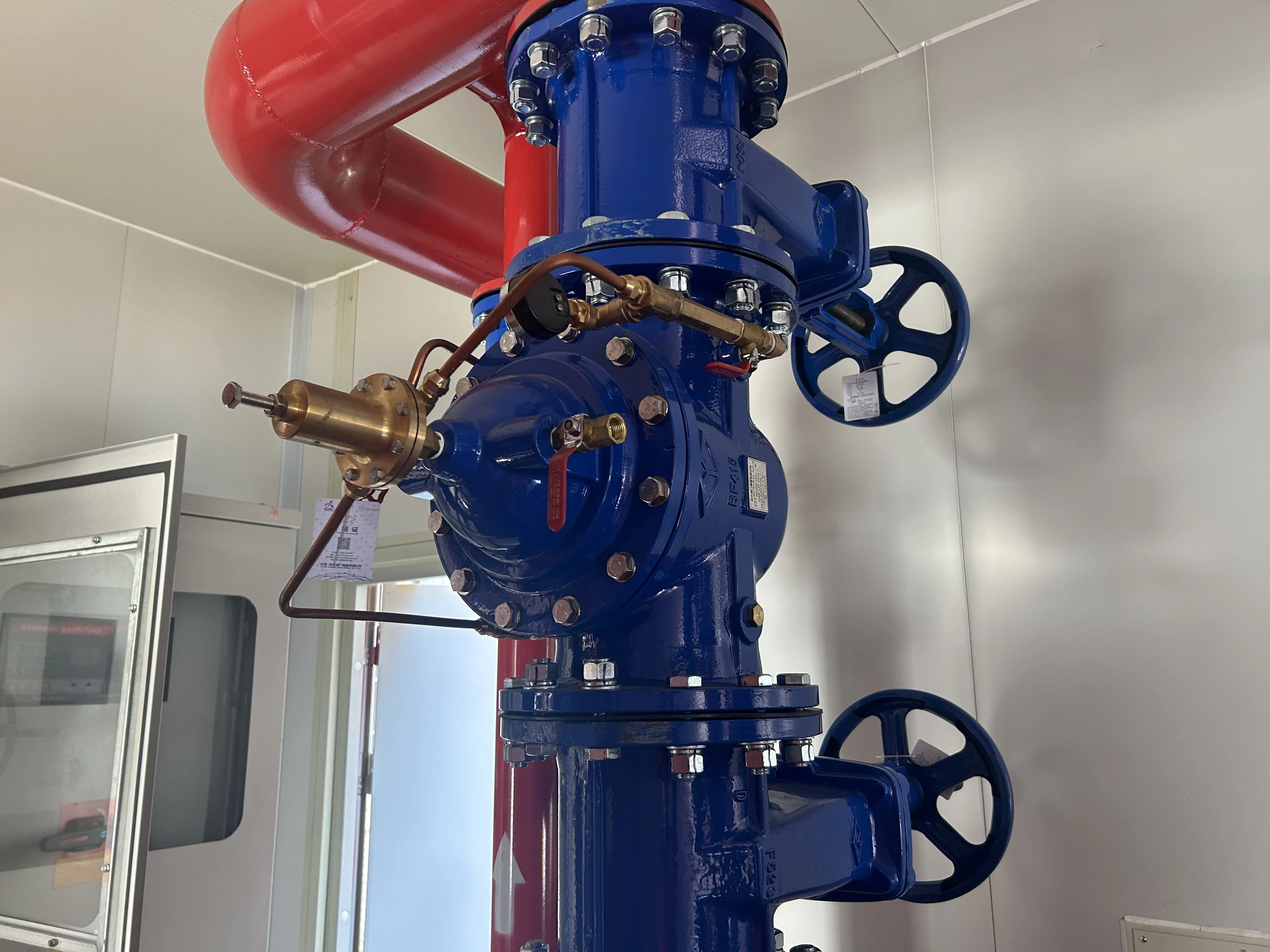
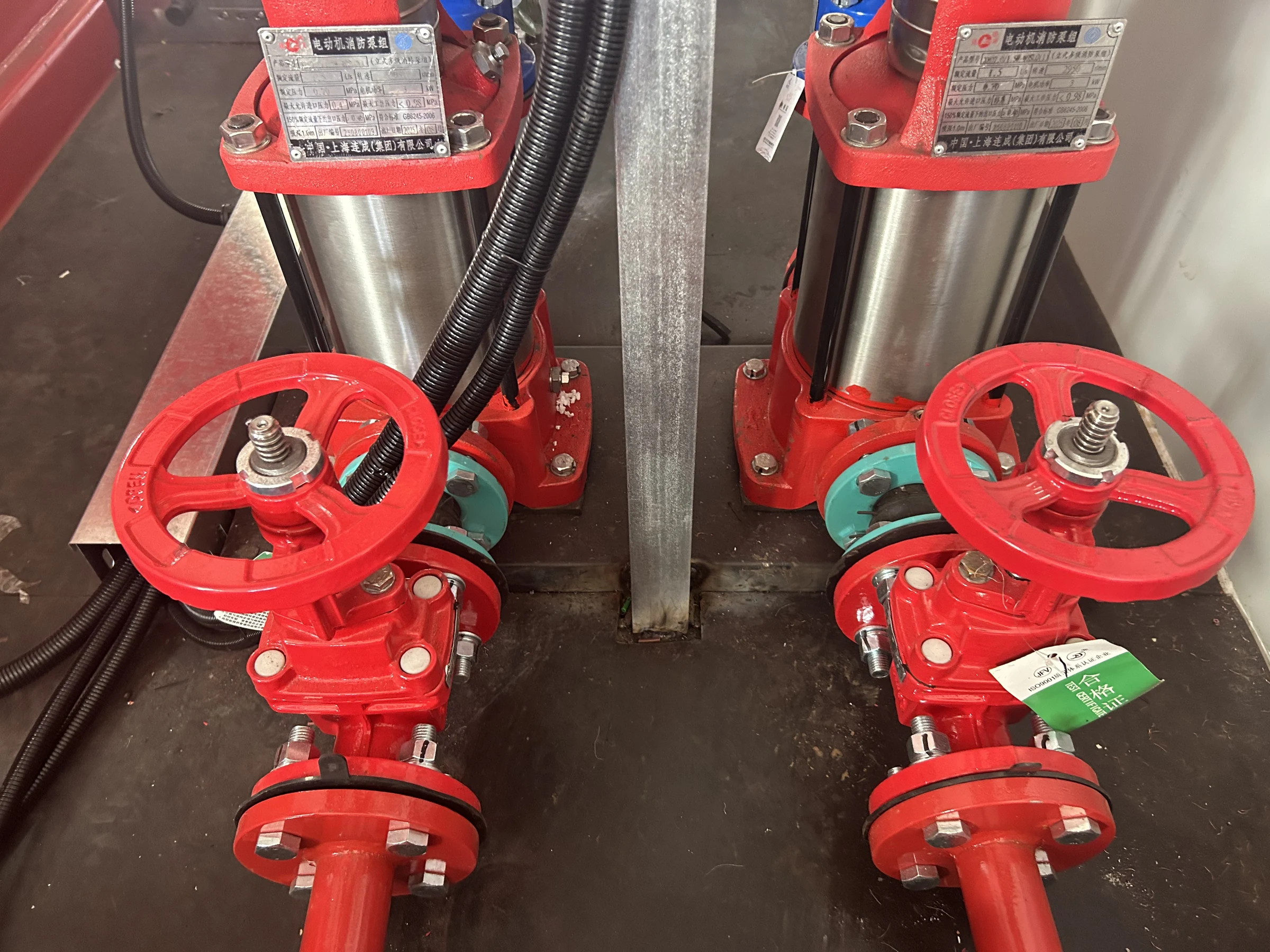
Duty and standby fire pumps are mounted on the factory-built base with large-diameter inlet and outlet lines, anti-vortex devices, flexible connectors, valves and pressure sensors. Integrated cable trays and controls provide pressure-linked pump operation, fault alarms and automatic standby changeover. All fittings, fasteners and accessories are cut, assembled and tightened at the factory. Hydrostatic leak tests and integrated commissioning check pressure, flow, pump changeover and alarms before dispatch, with conformity documents and operating manuals supplied.
3.3 Transport and site installation
The complete unit receives protective packaging for long-distance road transport to Xinjiang. On arrival, it is lifted onto a prepared foundation, connected to external inlet and outlet piping and power, and checked before operation. Moving most assembly and commissioning to the factory reduces remote site work and the risks arising from limited construction resources.
Project outcomes
Climate protection: the insulated, sand-resistant enclosure + weather-resistant piping components address desert cold, heat and windblown sand, reducing the risk of frozen pipes and equipment damage while supporting continuous readiness.
Oil and gas fire protection: automatic pump changeover and pressure-stable large-diameter pipework provide firefighting and cooling water to storage tanks and process areas, supporting the station's fire protection requirements.
Shorter remote construction: welding, piping assembly and system commissioning are completed at the factory. Site work focuses on water and power connections, reducing dependence on scarce civil works and labour resources. The skid arrangement also facilitates future relocation or expansion.
Accessible servicing: pumps, valves, instruments and controls are arranged clearly inside the enclosure for inspection and diagnosis, with technical documentation, warranty service and remote support available.
Project summary
For the Gobi desert conditions of the Junggar Basin and the fire risks of an oil and gas station, the project integrates pumps, large-diameter piping, controls and an insulated enclosure into a factory-built skid. Factory prefabrication, complete-unit transport and rapid site installation provide a practical reference for fire water systems at oil dehydration stations, gathering stations, well sites and similar remote industrial facilities.
02 / Projects in the field
On-site gallery
Select a photograph to view the full-screen gallery.