Back
Standard sector combination
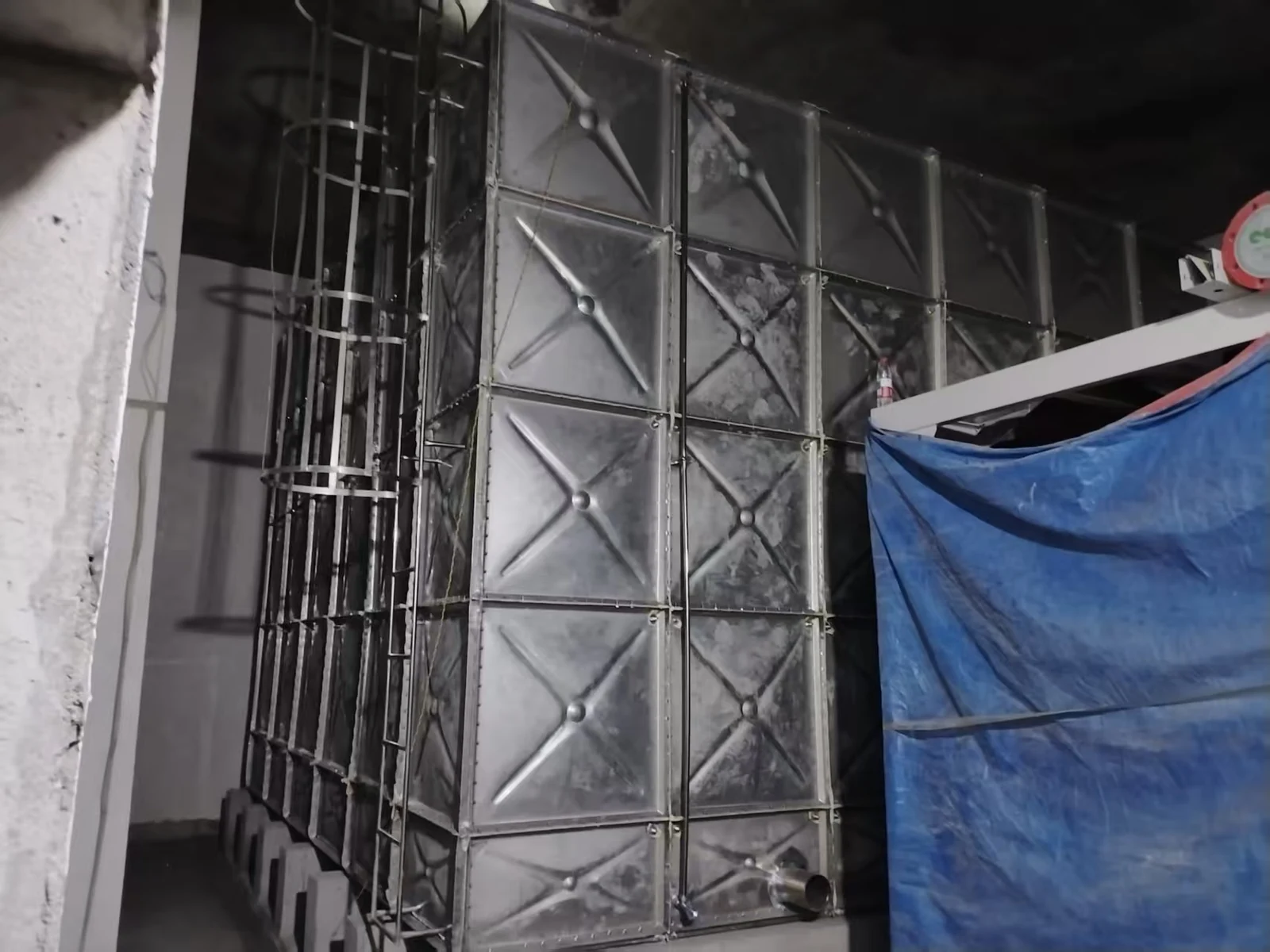
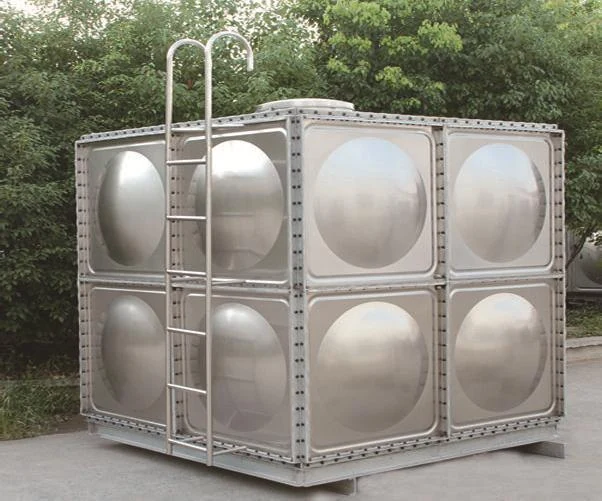
Commonly used plates are 1000 × 1000, 1000 × 500, 500 × 500 mm, and the length, width and height of the cabinet are combined with the installation space.


EPANEL / WATER STORAGE SOLUTIONS
BOLTED STAINLESS STEEL WATER TANK
Module combination, come in pieces.
The box is assembled with standard molded plates, and the plate seams are connected with bolts and sealing gaskets. Assemble the panels, fasteners and internal reinforcements in an orderly manner, taking into account on-site handling, installation and later maintenance.
1000 × 1000 / 1000 × 500 / 500 × 500 mm
Sealing material selected according to water storage purpose
Disassembly, migration and reuse need to be reviewed again
01 / STRUCTURE & DETAILS
From hemming holes to plate seam sealing, standard plates are combined into a water storage space suitable for the site.
Commonly used plates are 1000 × 1000, 1000 × 500, 500 × 500 mm, and the length, width and height of the cabinet are combined with the installation space.
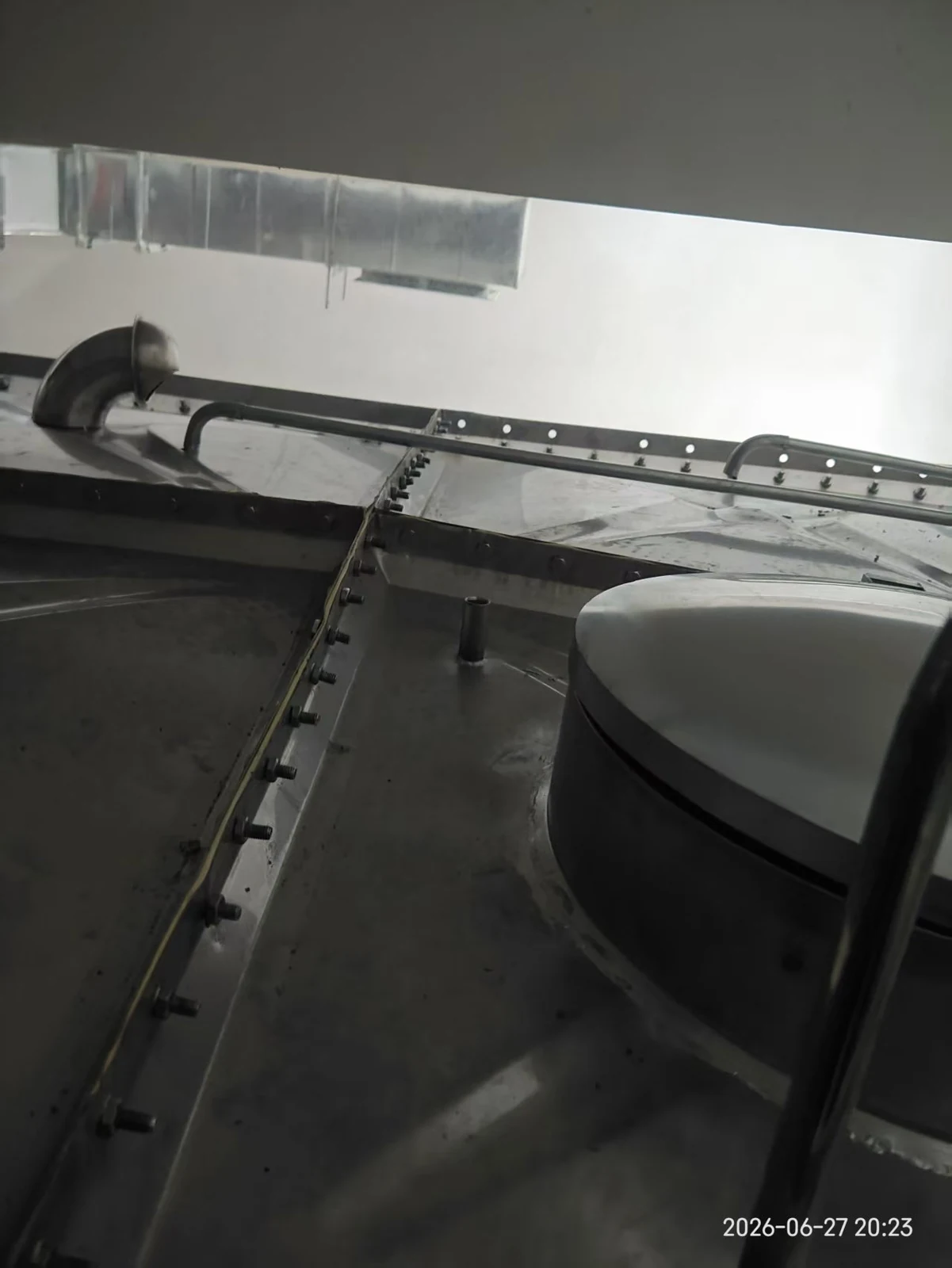
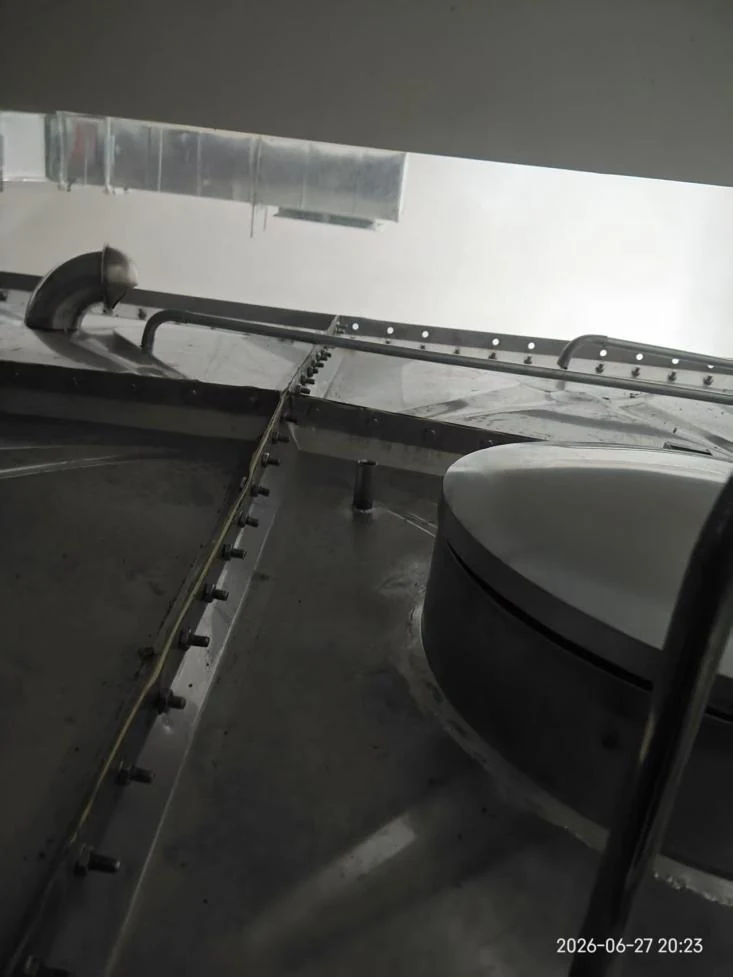
The folded edge of the molded plate is assembled with the connection hole position, a sealing gasket is placed in the plate seam and tightened step by step, and the sealing condition of the connection is checked.
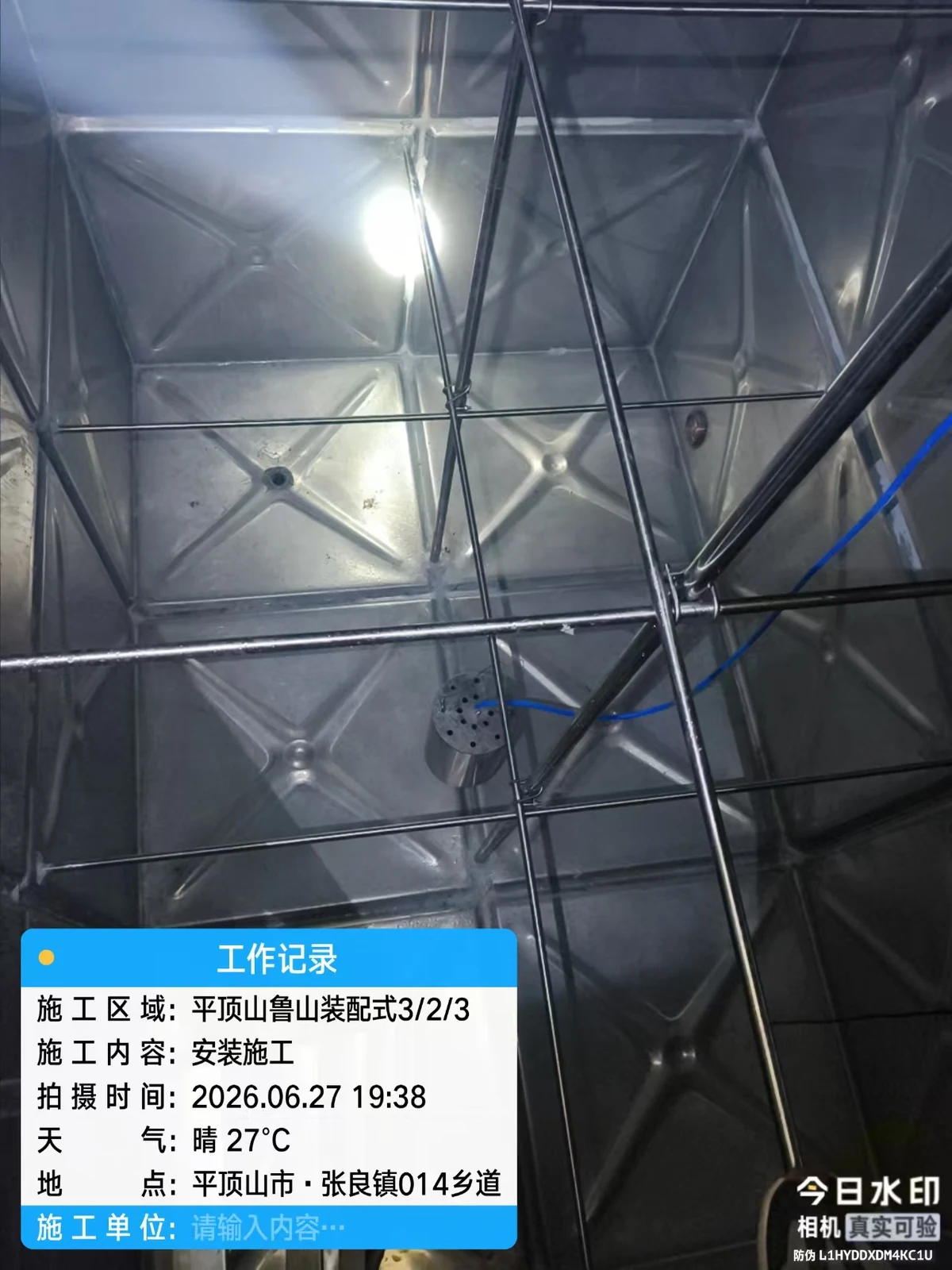
The panels and accessories can be brought in in batches and installed according to the transportation route; the internal ties and supports are configured according to the diagram.
Bolted connections facilitate panel inspection, replacement and disassembly. After modification or relocation, the structure, sealing and water testing should be re-examined.
02 / APPLICATIONS
Starting from water demand,
Consider water storage, installation and operating conditions together.
Configure water storage and water supply interfaces based on building water needs, and coordinate cleaning and daily management.
Determine the effective water storage capacity, operating water level and system connection conditions according to the fire protection design.
Combined with the installation location and maintenance conditions of service areas, rail transit and other projects.
Confirm materials, structures and interfaces according to media, water temperature and environmental conditions.
When installed indoors, outdoors or on building roofs, the applicability must be confirmed based on the foundation bearing, load and project design.
03 / INSTALLATION & DELIVERY
Position according to the diagram, tighten step by step, and check item by item to ensure that the plates, seals, and internal reinforcements cooperate with each other.
Check the foundation size, elevation, levelness and installation and maintenance space.
Check plate specifications, seals, fasteners and accessories list.
Position the bottom plate and side plates as shown in the figure, place the gaskets and tighten them step by step.
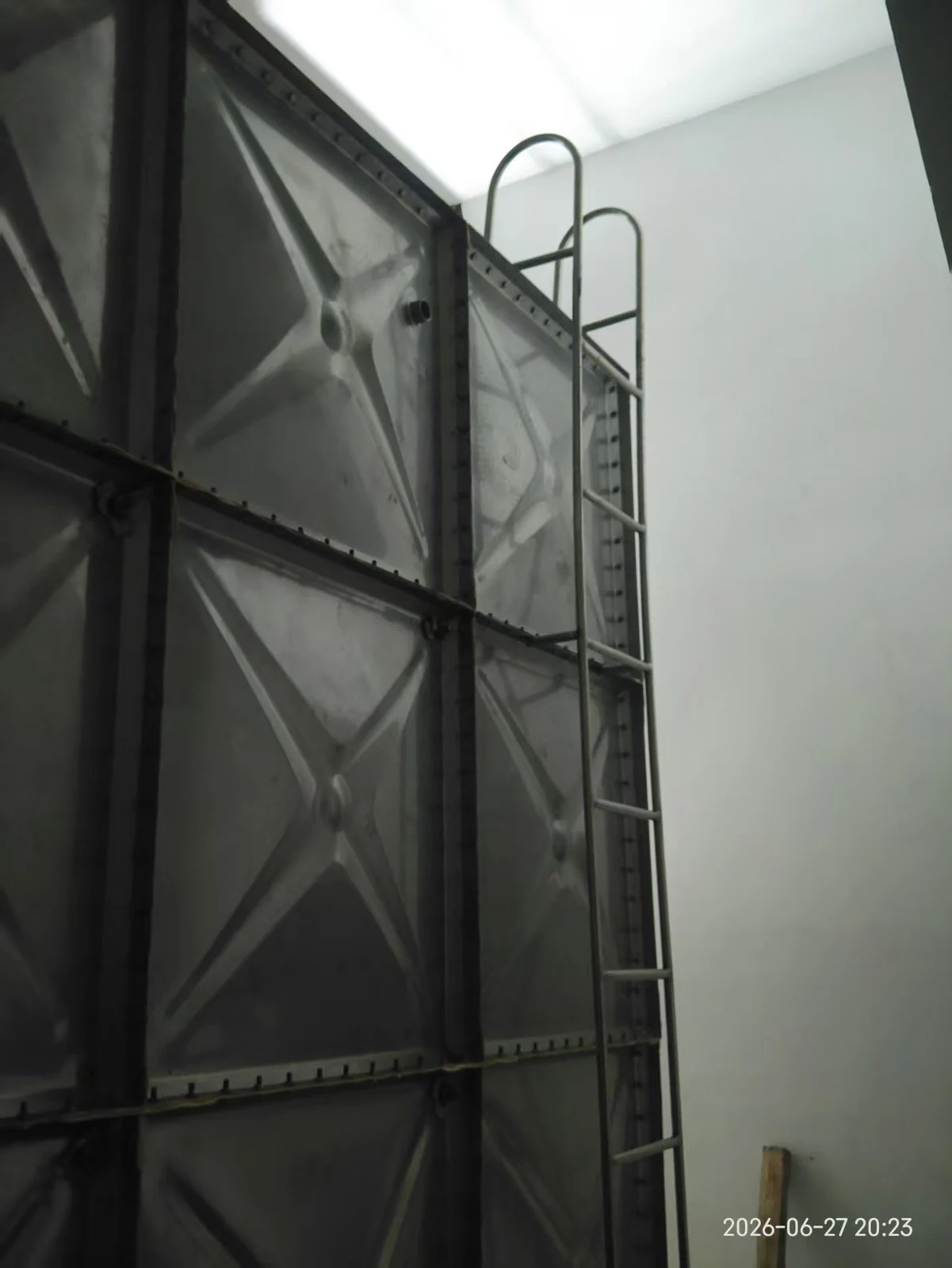
Complete the configuration of internal reinforcement, roof, manholes and escalators.
Check the pipeline interfaces and complete optional connections such as liquid level and insulation.
Check the board seams and interface seals, clean the box and organize acceptance.
Pipes and valves should be independently supported to avoid placing weight directly on the water tank interface. The interface direction, elevation and maintenance channel are uniformly confirmed during the planning stage.
04 / FIND YOUR TANK
Welding and bolt assembly each have their own construction concerns.
Choose based on site, maintenance and renovation needs.
| Compare items | Welded stainless steel water tank | Bolted stainless steel water tank Current products |
|---|---|---|
| Box connection | Standard plate on-site argon arc welding | Standard plate bolt and gasket connection |
| Construction concerns | On-site welding, weld inspection and surface treatment | Hole position matching, gasket and step-by-step fastening |
| Maintenance method | Check welds, interfaces and box structure | Check panel seams, seals and fastened connections |
| Transformation and migration | Evaluate the modification plan separately based on the welded structure | Removable connections, recheck and test before reuse |
| mutual confirmation | Effective volume, material, plate thickness, foundation and interface | Effective volume, material, plate thickness, foundation and interface |
06 / SELECTION & MAINTENANCE
Provide usage, effective volume and installation space,
Let’s confirm the water storage plan together.
| Product form | Above-ground modular box, connected by plate seam bolts and sealing gaskets |
|---|---|
| Standard section | 1000 × 1000 / 1000 × 500 / 500 × 500 mm |
| Sheets and seals | SUS304, etc. are confirmed based on water quality, temperature and environment; seals are selected based on usage. |
| water storage capacity | The effective volume is calculated based on the operating water level and cannot be directly replaced by the external volume. |
| Plate thickness and reinforcement | The plate thickness, internal ties and supports are determined according to the water depth and load. |
| Interface and maintenance | Water inlet and outlet, overflow, sewage discharge, ventilation, manholes and escalators are arranged according to the diagram |
| Installation location | For indoor, outdoor or roofing, the foundation load and project conditions need to be reviewed |
| Optional items | Liquid level monitoring, control linkage and thermal insulation can be configured on demand |
The effective volume should be calculated in conjunction with the operating water level. The specific size, material, plate thickness, matching and supply scope are subject to the confirmed technical solution.
Bolted connections provide conditions for disassembly, assembly and replacement. The plates, fasteners and seals still need to be inspected during relocation, and rechecked based on the foundation, water depth and load of the new location, and the water tested again after the installation is completed.
The cabinet plate seams are connected with bolts and sealing gaskets. Foundation channel steel, tie bars or escalators may still be welded according to the project drawings; the specific construction method shall be subject to the confirmed plan.
Regularly inspect water levels, overflows, seams and joint leaks; arrange cleaning according to usage, and check seals and fastened connections. Recheck the structure and sealing condition after modification, disassembly or replacement.
TALK TO EPANEL
Contact EPANEL to discuss the water tank configuration, on-site interface and installation conditions.